Canis lupus familiaris · Japan
The Akita is an intelligent, loyal, and courageous dog known for its protective nature. While dignified and affectionate, they are also reserved and possessive. Akitas make excellent watchdogs and are highly devoted to their families. Native to Japan, they were originally bred as fighting dogs but later used for hunting. There are two types: the Japanese Akita (smaller and lighter) and the American Akita (larger and more robust). Akitas require early socialization and training, making them unsuitable for first-time dog owners. They are clean, easy to house train, and thrive in a home environment, but they can be independent, stubborn, and heavy shedders. With a high prey drive, they need careful management, especially around smaller animals.
Weight
100–130 lbs (M), 70–100 lbs (F)
Height
26–28 in (M), 24–26 in (F)
Life Span
10–13 years
Temperament
Courageous, Dignified, Loyal
Energy Level
Moderate
Trainability
Moderate
Shedding Level
Heavy
Good With Children
Good
Good With Other Pets
Low
Exercise Needs
1 hour daily
Brave Guardian
Akitas were bred in Japan to guard royalty and noble families.
Symbol of Loyalty
In Japan, the Akita is a symbol of good health and loyalty.
Quiet Watcher
Akitas rarely bark but stay alert to protect their family.
Akitas are powerful, naturally healthy dogs that typically live 10 to 14 years. But they do come with some specific health considerations that every owner should understand before bringing one home.
Hip problems are relatively common in the breed, and given their size and weight, staying lean is genuinely important for their joints. Hypothyroidism is seen more often in Akitas than in many other breeds — the signs are subtle at first: a bit of weight gain, a duller coat, less energy than usual. It's manageable with daily medication once diagnosed.
Bloat is a real risk due to their deep chest. Two smaller meals a day and avoiding vigorous exercise right after eating goes a long way toward prevention. One thing that sometimes surprises new Akita owners is the breed's sensitivity to certain medications and anesthetics — always make sure your vet knows the breed before any procedure.
That thick double coat is striking — and it sheds. A lot. Twice a year, Akitas "blow" their undercoat, releasing enormous amounts of fur over several weeks. During those periods, daily brushing with an undercoat rake is the only way to manage it. The rest of the year, a good brush once or twice a week keeps the coat healthy and your furniture from disappearing under fur.
One thing that surprises many new owners is how clean Akitas tend to be. They groom themselves like cats — fastidious and tidy — which means baths are only needed three or four times a year unless they find something interesting to roll in.
Never shave an Akita's coat. That double layer insulates them from both heat and cold, and shaving disrupts it permanently.
Akitas need daily exercise — at least an hour or two of real activity — but they're not the frantic, nonstop energy type. Think of them as strong and athletic rather than hyperactive. A couple of solid walks, some playtime in a secure yard, and they're genuinely content.
The "secure" part matters. Akitas have a strong prey drive and can be unpredictable around other dogs, so off-leash time should always be in a fully fenced area. They won't always come back when called — not because they can't learn recall, but because they're independent thinkers who sometimes weigh their options.
Puppies need careful, controlled exercise while their joints are developing. Don't push hard runs or jumping until at least 18 months.
If you've owned easy-going, eager-to-please breeds before, an Akita will feel like a different world. They're highly intelligent — but they're also deeply independent, and they decide whether your instruction makes sense before acting on it. That's not stubbornness for the sake of it. That's just how Akitas are wired.
Training works best with calm confidence and consistency. They don't respond well to harsh corrections, and they lose respect for owners who are anxious or unpredictable. Positive reinforcement with food rewards works — but this isn't a breed that will do anything for a piece of kibble. They have standards.
Early socialization is non-negotiable. Akitas that meet a wide range of people, animals, and environments as puppies grow into stable, manageable adults. Those that don't can become territorial and difficult. This is not a breed for first-time dog owners.
Akitas are large, muscular dogs and need a high-quality, protein-rich diet to stay in peak condition. Two meals a day is much better than one large feeding — it reduces bloat risk and keeps their energy steadier through the day.
They can gain weight more easily than their active appearance suggests, especially if exercise drops off. Feel the ribs regularly — you should be able to find them without pressing hard. A healthy Akita should have a visible tuck at the waist.
One feeding habit worth knowing: Akitas can be possessive around their food. Feed them away from other pets and children, and don't disturb them while they're eating.
The Akita is one of the oldest dog breeds on Earth, and in Japan, it's more than just a dog — it's a national symbol. The breed originated over a thousand years ago in the rugged Akita Prefecture of northern Japan, where they were used by hunters to track and corner large game, including bears and wild boar. They were called Matagi Inu — hunting dogs of large game — and their combination of power, courage, and endurance made them invaluable.
Over centuries, their role shifted from the mountains to the estates of Japanese nobility, where they served as loyal companions and guard dogs. In 1931, the Japanese government officially declared the Akita a national natural monument — one of only a handful of dog breeds in the world to receive such recognition.
The most famous Akita in history is Hachikō, a dog who greeted his owner at Shibuya Station in Tokyo every day after work. When his owner died suddenly in 1925, Hachikō continued returning to the station — every single day — for nearly ten years until his own death. His story is a legend in Japan, depicted in films and honored by a bronze statue at the station that still stands today.
Helen Keller brought the first Akitas to the United States in 1937. After World War II, American servicemen returning from Japan brought more, and two distinct lines — Japanese and American — gradually developed. The AKC recognized the breed in 1972.
At wowpetspalace.com, we believe the Akita's history says everything about its character: loyal beyond measure, dignified, and deeply connected to the people it loves.

Double Trouble Two Dogs Having Fun
German Shepherd Exploring the Grass
Cardigan Welsh Corgi
Dog Playing with Toy on Floor
Happy Dog Playing
Pure Love German Shepherd’s Sweet Moment

Nov 22, 2024
7 Aggressive and 7 Friendliest Dog Breeds in the World
Compare the world’s friendliest and most aggressive dog breeds. Learn what to expect from each.

May 16, 2026
German Shepherd vs Bull Terrier: Benefits of Owning Each Dog Breed
Compare the German Shepherd and Bull Terrier to discover the benefits, temperament, training needs, grooming, health, and lifestyle suitability of each breed.
Mar 5, 2025
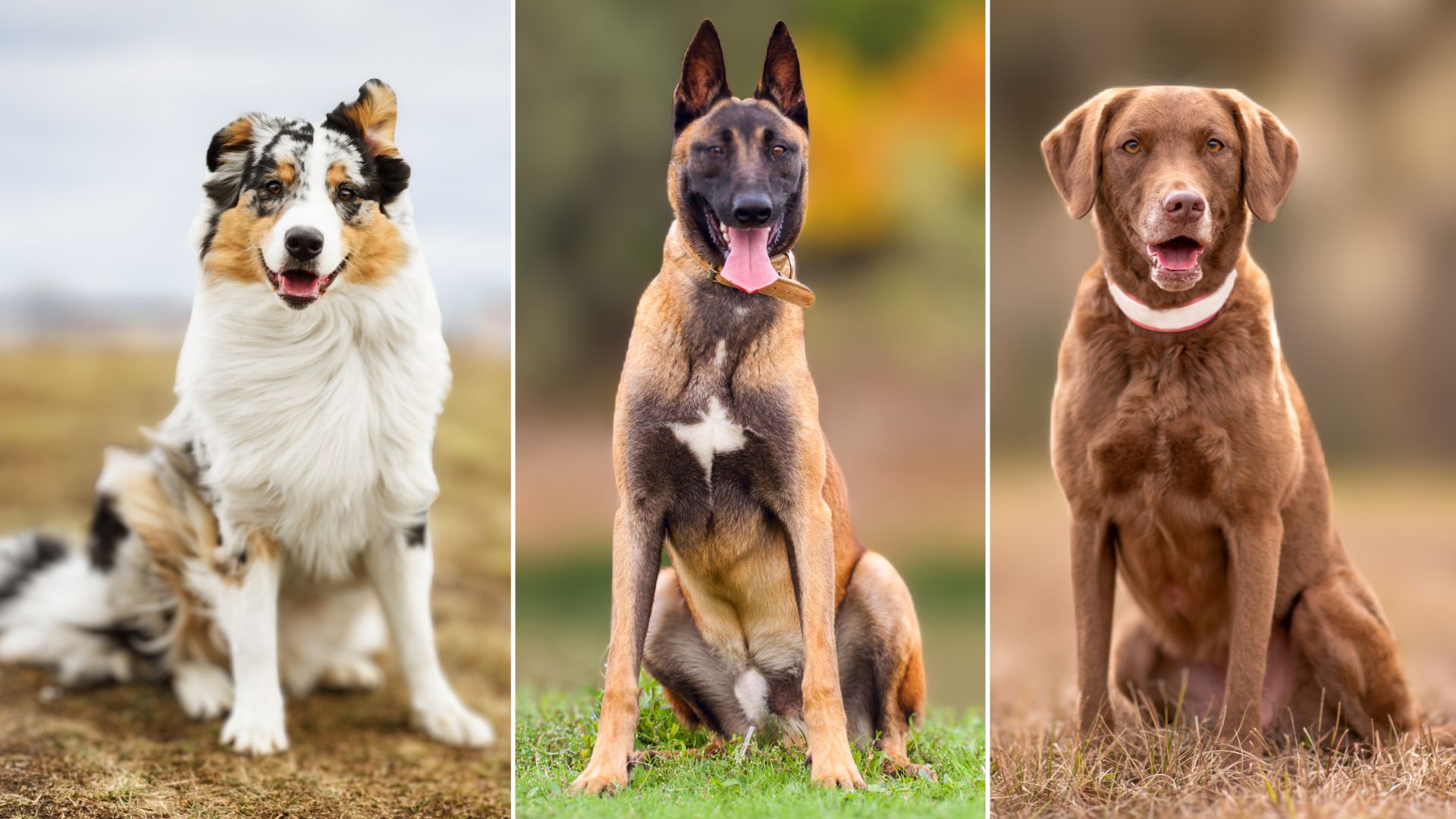
7 Best Protective Medium Dog Breeds for Family Safety
Discover the top 7 medium dog breeds known for their protective instincts and family-friendly nature. Find out which breeds keep your loved ones safe & secure.