Wow Pets Palace
Explore ProductsExplore BreedsArticlesContact Us

Stay Updated

Get the latest pet care tips, adoption stories, and product updates delivered to your inbox.

Wow Pets Palace

Wow Pets Palace is your trusted source for finding pets from responsible breeders and adoptable pets. Whether you're looking to adopt or need resources on pet care, we're here to help.

Quick Links

  • About Us
  • Contact Us
  • Help
  • FAQs

Services

  • Lost, Sale & Adoption Services
  • Pet Adoption
  • Pet Products
  • Breed Information
  • Pet Tracking
  • Pet Sitters
  • Adopt, Buy & Find Pets

Legal

  • Terms of Service
  • Privacy Policy
  • Cookie Policy
  • Disclaimer
  • Return Policy
  • Shipping Policy
  • Marketplace Rules
  • Community Guidelines

© 2026 Wow Pets Palace. All rights reserved.

Home
HomeCat BreedsSiberian Cat
Siberian Cat
1 / 2
Cat Breed🏆 #14 Most PopularDomestic Cat

Siberian Cat

Felis catus  ·  Russia (Siberia)

The Siberian cat, a majestic breed hailing from Russia, is known for its luxurious triple-layered coat, charming personality, and hypoallergenic qualities. If you’re looking for an affectionate and playful companion with a rich history and stunning appearance, the Siberian cat may be the perfect addition to your family.

Friendliness★★★★★
Intelligence★★★★★
Family Fit★★★★★
Trainability★★★★★

Quick Facts

Weight

12–16 lbs (M), 8–12 lbs (F)

Height

9–11 in

Life Span

11–15 years

Temperament

Playful, Calm, Loyal

Energy Level

Moderate

Trainability

Good

Shedding Level

Heavy

Good With Children

Excellent

Good With Other Pets

Excellent

Exercise Needs

20 min daily

Fun Facts

🐈

Hypoallergenic Coat

The Siberian cat produces less allergy-causing protein than most breeds.

🐈

Russian Forest Cat

Siberians come from the cold forests of Russia.

🐈

Triple Coat

This breed has three layers of thick fur to keep it warm.

Breed Tags

#HypoallergenicCat#RussianCatBreed#PlayfulCat#Large#LongCoat

Breed Characteristics

Friendliness
90%
Intelligence
85%
Affection Level
85%
Energy Level
75%
Protectiveness
58%
Playfulness
82%
Adaptability
85%
Trainability
80%
Apartment Suitability
68%
Beginner Owner Suitability
85%

Detailed Breed Information

Health

Siberian cats live 12 to 15 years. Hypertrophic cardiomyopathy is the primary hereditary concern and cardiac screening matters. Pyruvate kinase deficiency, a red blood cell disorder, occurs in the breed. Siberian cats produce lower levels of the Fel d 1 allergen than most breeds, though they are not truly hypoallergenic. Annual vet visits with cardiac monitoring protect long term health.

Grooming

Your Siberian has a thick, water resistant triple coat that needs brushing two to three times a week. The coat sheds heavily in spring and fall so increase brushing to daily during those periods. Their coat is surprisingly tangle resistant but the neck ruff and belly mat most easily. Bathe every few months. Trim nails every two weeks and clean ears monthly.

Exercise

Siberians are athletic, agile, and love to climb and leap. They enjoy interactive wand toys, fetch, and games with their owners. Provide tall cat trees and daily active play. Two vigorous play sessions daily keeps most Siberians physically satisfied. They also enjoy outdoor enclosures and leash walks.

Training

Siberians are intelligent, problem solving cats. They respond well to treat based training and learn tricks, their name, and routines quickly. They are confident, curious cats who handle new situations well. Socialize kittens early. Their dog like loyalty and trainability make them one of the more rewarding breeds to work with.

Nutrition

Feed a quality high protein diet twice daily that supports the Siberian large, muscular frame. They take up to five years to fully mature so feed a kitten appropriate diet during growth. Choose foods with real meat first. Monitor weight monthly. Always provide fresh water. Two measured meals daily work better than free feeding.

History

The Siberian is a natural breed from Russia with a history spanning over a thousand years. Russian folk tales and children books feature Siberian cats as magical forest dwellers. The breed developed in the harsh Siberian climate, producing the thick triple coat it carries today. Siberians appear in Harrison Weir early cat books from the 1800s. The first Siberians arrived in the United States in 1990. TICA recognized the breed in 1996 and the CFA in 2006.

Photo Gallery

Siberian Cat photo 1
Siberian Cat photo 2
Find Available Pets
Browse Similar Breeds

Products Siberian Cat Owners Love

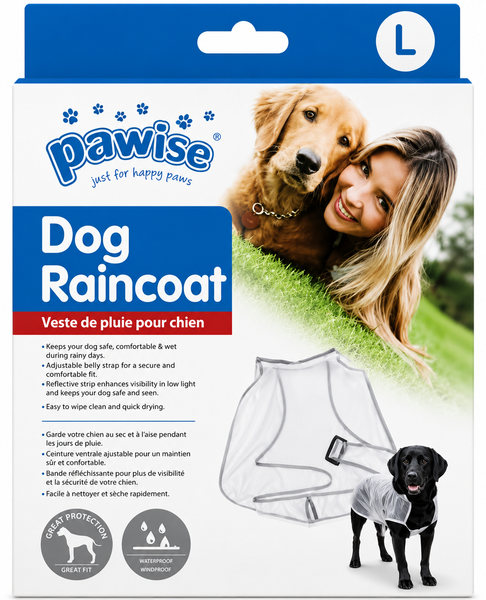
PAWISE DOG RAINCOAT L

PAWISE DOG RAINCOAT L

€16.90 5
PAWISE PEE PAD HOLDER-L

PAWISE PEE PAD HOLDER-L

€78.94 5
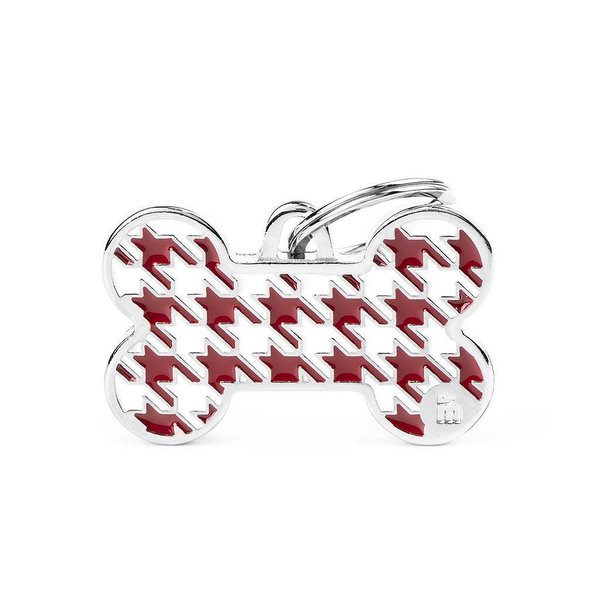
PIED A POULE RED L BONE STYLE COLLECTION

PIED A POULE RED L BONE STYLE COLLECTION

€31.94 5
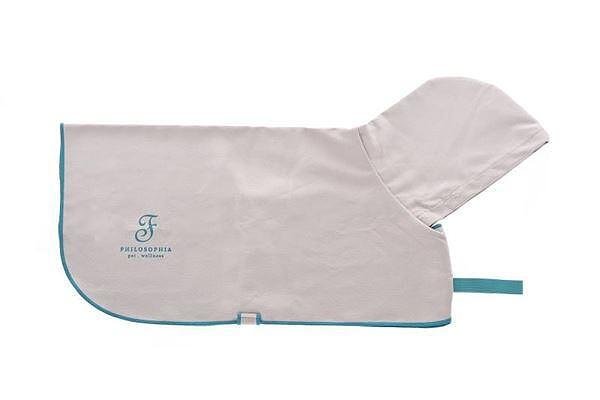
FERRIBIELLA PHILOSOPHY MICROFIBER PET TOWEL L

FERRIBIELLA PHILOSOPHY MICROFIBER PET TOWEL L

€97.02 5
FLAMINGO DOG COLLAR NUSA PENIDA BLUE L

FLAMINGO DOG COLLAR NUSA PENIDA BLUE L

€19.40 5
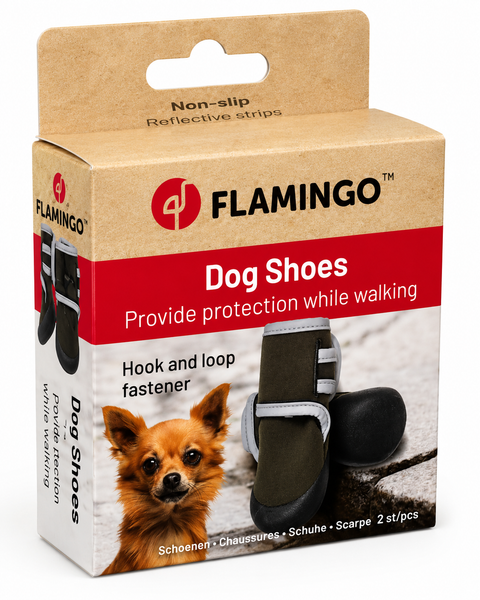
FLAMINGO DOG SHOES L

FLAMINGO DOG SHOES L

€30.49 5
AFP FETCH RUBBER BALL L

AFP FETCH RUBBER BALL L

€6.93 5
AFP MIGHTY WEEL L

AFP MIGHTY WEEL L

€15.05 5

Videos About This Breed

0:14

Dog Jumping Off a Log | Amazing Agility!

0:16

Rough Collie Dog Standing on a Log Before a Graceful Jump

0:19

Young Cats Playing in the Garden

0:21

Munchkin Cat Exploring the Green Grass

0:13

Double Trouble Two Dogs Having Fun

0:16

German Shepherd Exploring the Grass

Helpful Articles

Is Your Cat Happy? Here’s How You Can Tell

Aug 6, 2026

Is Your Cat Happy? Here’s How You Can Tell

German Shepherd vs Bull Terrier: Benefits of Owning Each Dog Breed

May 16, 2026

German Shepherd vs Bull Terrier: Benefits of Owning Each Dog Breed

Compare the German Shepherd and Bull Terrier to discover the benefits, temperament, training needs, grooming, health, and lifestyle suitability of each breed.

Similar Breeds You May Like

Norwegian Forest

Norwegian Forest

Cat · 12–16 years

Briard

Briard

Dog · 10–12 years

Bernese Mountain Dog

Bernese Mountain Dog

Dog · 7 to 10 years

Belgian Tervuren

Belgian Tervuren

Dog · 12–14 years

Belgian Sheepdog

Belgian Sheepdog

Dog · 12–14 years

Old English Sheepdog

Old English Sheepdog

Dog · 10-12 years

Large Munsterlander

Large Munsterlander

Dog · 12-14 years

Hovawart

Hovawart

Dog · 10–14 years

German Longhaired Pointer

German Longhaired Pointer

Dog · 12–14 years