Training a dog is more than just teaching them tricks. It’s about creating a life of understanding, trust, and clear communication. But as lovable as dogs are, they’re not born knowing how to behave in our human world. That’s where pet parents play a vital role.
Whether you're a first-time dog owner or a seasoned pup parent, behavior issues can be frustrating. The good news is, they’re usually fixable. In this post, we’ll walk through the 14 most common dog behavior problems and how you can resolve each one with the right training and a little patience.
1. Excessive Barking
Barking is natural. Dogs bark to alert, express excitement, or seek attention. But when it becomes constant or disruptive, it turns into a behavior problem.
Common Causes:
- Boredom
- Anxiety or fear
- Territorial behavior
- Reacting to other dogs or noises
Training Tips:
- Identify the trigger
- Teach “Quiet” and “Speak” commands using treats and praise
- Avoid yelling, as it can sound like barking to your dog
- Use puzzle toys and regular walks to burn off excess energy
2. Chewing Everything
All dogs chew, especially puppies. But when shoes, furniture, or wires become chew toys, it’s time for intervention.
Common Causes:
- Teething in puppies
- Boredom
- Anxiety or stress
Training Tips:
- Provide plenty of safe chew toys
- Use deterrent sprays on items you want them to avoid
- Redirect chewing immediately and reward good behavior
- Crate training can help when you’re not home
3. Digging Holes in the Yard
Digging can ruin your garden and test your patience. Some dogs are natural diggers, but it can be managed.
Common Causes:
- Boredom
- Hunting instinct
- Trying to escape
- Cooling off or nesting
Training Tips:
- Provide daily exercise and mental stimulation
- Create a designated digging zone like a sandbox
- Supervise outdoor time and redirect digging behavior
4. Separation Anxiety
This is one of the most emotionally challenging problems for both dogs and owners. It can lead to destructive behaviors when your dog is left alone.
Signs:
- Whining, barking, or howling when alone
- Chewing or scratching at doors
- Inappropriate elimination
Training Tips:
- Practice short departures and gradually increase time away
- Leave a piece of your clothing or calming toy with your dog
- Avoid dramatic greetings or goodbyes
- In severe cases, consult a trainer or vet
5. Inappropriate Elimination
Accidents in the house can be due to a lack of training or a deeper issue.
Common Causes:
- Lack of housetraining
- Medical issues
- Anxiety or marking behavior
Training Tips:
- Rule out health problems with your vet
- Stick to a potty schedule
- Praise and reward outdoor elimination
- Consider indoor potty bells as a signal
6. Begging at the Table
Those big puppy eyes can be hard to resist, but giving in reinforces begging.
Training Tips:
- Never feed your dog from the table
- Teach a “go to your spot” command during mealtime
- Reward calm behavior after meals
- Be consistent - everyone in the family must follow the rule
7. Chasing Cars, People, or Animals
Chasing is part instinct, part play. But it can become dangerous quickly.
Training Tips:
- Never let your dog off-leash in an unfenced area
- Train a solid “Recall” (come when called) command
- Use long leashes to practice recall safely
- Distract and redirect with toys or treats when the chasing urge kicks in
8. Jumping on People
A jumping dog may be excited or looking for attention. Not everyone appreciates it, especially guests.
Training Tips:
- Don’t reward jumping with attention, even if it’s negative
- Teach a “Sit” or “Off” command
- Only give attention when all four paws are on the floor
- Reward calm greetings
9. Biting or Nipping
While puppy mouthing is normal, adult dogs biting out of fear, pain, or aggression is serious.
Training Tips:
- Teach bite inhibition early using “yelp and withdraw” methods
- Socialize puppies with different people and environments
- Avoid rough play that encourages biting
- If aggression is involved, consult a behaviorist
10. Aggression Toward People or Other Dogs
Growling, snapping, or lunging are warning signs that should not be ignored.
Common Triggers:
- Fear or anxiety
- Pain or medical conditions
- Possessiveness over food or toys
Training Tips:
- Consult your vet to rule out health issues
- Work with a professional dog trainer
- Avoid punishment, as it can increase aggression
- Practice desensitization and positive reinforcement
11. Pulling on the Leash
Walks should be enjoyable, not a tug-of-war.
Training Tips:
- Use a front-clip harness or gentle leader
- Practice loose-leash walking in short, distraction-free areas
- Stop walking when the leash gets tight and resume when they relax
- Reward walking beside you with treats or praise
12. Mounting or Humping
This behavior can be embarrassing, but it’s usually about excitement, dominance, or even anxiety.
Training Tips:
- Redirect to a toy or task
- Use commands like “Sit” or “Down” to interrupt the behavior
- Consider neutering if not already done, although it’s not always the sole solution
13. Over-Excitement and Hyperactivity
Zoomies are cute, but constant energy bursts can be exhausting.
Training Tips:
- Provide daily physical and mental exercise
- Practice impulse control games like “Wait” or “Leave it”
- Keep training sessions short and fun
- Reward calm behavior, not hyperactivity
14. Resource Guarding (Protecting Food or Toys)
Growling or snapping when someone gets too close to food or a toy is a sign of guarding.
Training Tips:
- Don’t punish, as this can increase fear
- Use “trade-up” techniques (swap with a high-value treat)
- Teach “Drop it” and “Leave it” commands
- Slowly desensitize your dog to people being around their resources
FAQs About Dog Behavior Problems
Can Dog Food Cause Behavior Problems?
Yes, it absolutely can.
Just like how diet affects our mood and energy levels, the same goes for dogs. Poor-quality dog food or sudden changes in diet can lead to behavioral issues such as:
- Hyperactivity
- Aggression
- Anxiety
- Restlessness
- Digestive discomfort leading to irritability
Why Does This Happen?
Dog food that’s high in sugar, artificial additives, or low-quality fillers can negatively impact your dog’s mental well-being. Think of how some kids act after too much candy dogs are no different!
Nutritional deficiencies (like low omega-3 fatty acids, zinc, or B vitamins) can also affect your dog's brain and behavior.
Can Changing a Dog’s Food Cause Behavior Problems?
Yes, a sudden change in your dog’s food can trigger temporary behavior issues.
Here's why:
- Digestive upset causes discomfort, which makes dogs irritable.
- Loss of appetite or dislike of the new food can cause stress.
- Lack of nutrients if the new food isn’t balanced.
Tip:
If you’re changing food, do it gradually over 7–10 days to give your dog’s body time to adjust.
How Do I Know If My Dog Has Behavior Problems?
Watch for these signs:
- Growling, biting, or snapping
- Destructive chewing or digging
- Excessive barking
- Separation anxiety
- Restlessness or pacing
- Toileting indoors (when previously trained)
- Overprotectiveness or resource guarding
- Aggression toward other dogs or people
Important:
Not all behavior problems are “bad behavior” - sometimes it's a sign of fear, anxiety, pain, or lack of proper training.
Dog Breeds Most Prone to Behavior Problems
Some dog breeds are more likely to show behavior issues - often because of high energy, sensitivity, or specific instincts.
Common Breeds With Behavior Challenges:
BreedBehavior IssuesImageJack Russell TerrierHyperactivity, excessive barking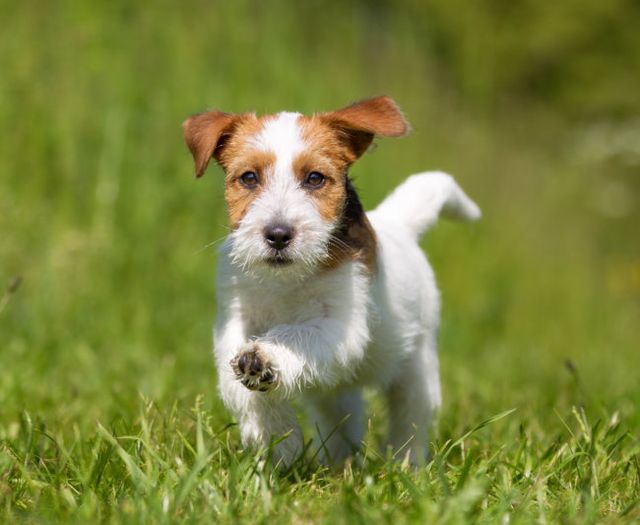 ChihuahuaFear aggression, jealousy
 Border CollieObsessive behaviors, sensitivity
 DalmatianDestructive if bored
 German ShepherdOverprotectiveness, anxiety
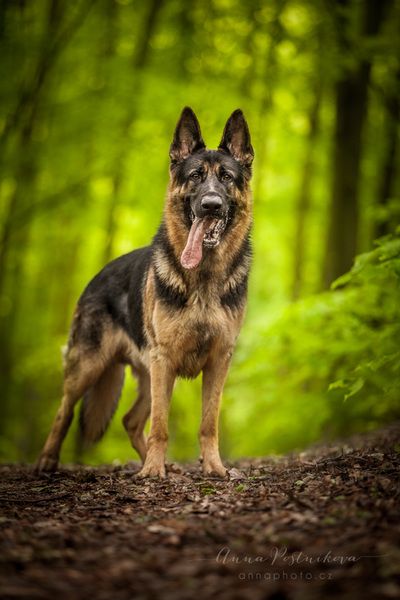 RottweilerTerritorial aggression
 Cocker SpanielResource guarding, fear biting
 AkitaDominance, aggression
 Siberian HuskyEscaping, stubbornness
 BeagleLoud howling, distractibility
 Final Thoughts: You’re Not Alone
Behavior problems don’t mean your dog is “bad.” They’re just trying to communicate something - discomfort, stress, boredom, or a need for clearer guidance.
With a mix of patience, proper care, good nutrition, and sometimes expert help, most behavior issues can be corrected or managed.
Want More Helpful Pet Tips?
Explore more smart, compassionate advice at WowPetsPalace.com - we’re here to help you be the best pet parent possible.
And if this helped you, share it with a fellow dog lover!