
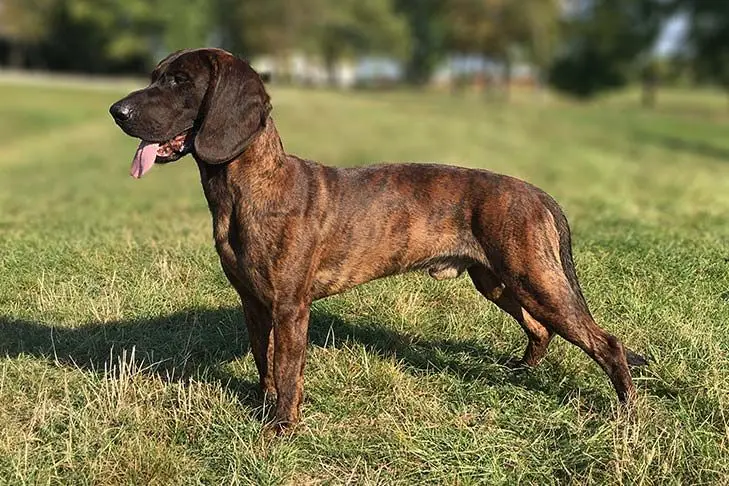
Canis lupus familiaris · Germany
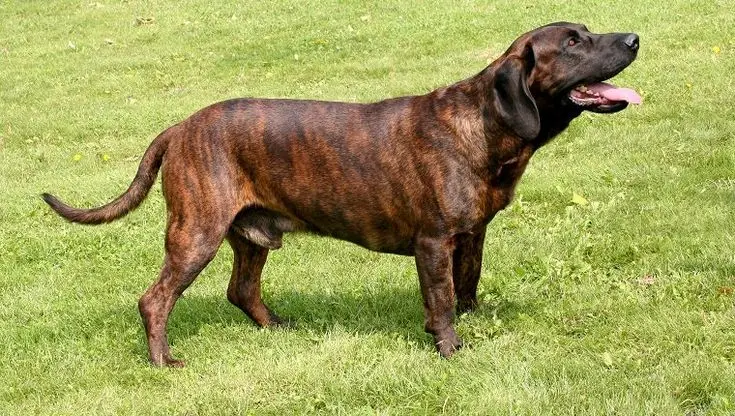
The Hanoverian Scenthound is a robust and focused scent hound from Germany, renowned for its exceptional tracking skills and calm temperament. With its muscular build and distinctive reddish coat, this breed excels in hunting and search-and-rescue wo
Weight
55–99 lbs
Height
19–24 in
Life Span
10–14 years
Temperament
Calm, Loyal, Persistent
Energy Level
High
Trainability
Good
Shedding Level
Moderate
Good With Children
Good
Good With Other Pets
Good
Exercise Needs
1–2 hours daily
German Scent Hound
The Hanoverian Scenthound was bred to track wounded game.
Strong Nose
This breed has an exceptional sense of smell.
Rare Breed
Hanoverian Scenthounds are still uncommon outside Germany.
Hanoverian Scenthounds are a generally healthy breed, often living 10 to 12 years. Hip dysplasia and ear infections occur given their floppy ears and active build. Being a relatively rare breed helps keep the gene pool fairly diverse. Routine vet visits keep this hardy tracking breed thriving.
Hanoverian Scenthounds are a generally healthy breed, often living 10 to 12 years. Hip dysplasia and ear infections occur given their floppy ears and active build. Being a relatively rare breed helps keep the gene pool fairly diverse. Routine vet visits keep this hardy tracking breed thriving.
The short, dense coat is wonderfully low-maintenance. A weekly brush keeps shedding under control and the coat clean. Their long ears need regular checks to prevent infection. Bathe only when genuinely needed.
The short, dense coat is wonderfully low-maintenance. A weekly brush keeps shedding under control and the coat clean. Their long ears need regular checks to prevent infection. Bathe only when genuinely needed.
Bred for tracking wounded game over long distances, this breed needs close to an hour of activity daily. Walks and scent games suit their methodical, focused hunting style well. They have steady endurance built for slow, careful tracking work. Mental stimulation through scent work keeps them genuinely satisfied.
Bred for tracking wounded game over long distances, this breed needs close to an hour of activity daily. Walks and scent games suit their methodical, focused hunting style well. They have steady endurance built for slow, careful tracking work. Mental stimulation through scent work keeps them genuinely satisfied.
Calm but nose-driven, Hanoverian Scenthounds are typically working dogs first and companions second. Positive reinforcement and patience pay off well. Their strong scenting instinct and reserved nature mean they thrive most as dedicated hunting partners. Early socialization helps shape a more adaptable temperament.
Calm but nose-driven, Hanoverian Scenthounds are typically working dogs first and companions second. Positive reinforcement and patience pay off well. Their strong scenting instinct and reserved nature mean they thrive most as dedicated hunting partners. Early socialization helps shape a more adaptable temperament.
A medium-breed formula with quality protein suits their active tracking lifestyle. Two measured meals daily work well for this breed. Watch their weight during less active periods. Fresh water should always be available, especially after field activity.
A medium-breed formula with quality protein suits their active tracking lifestyle. Two measured meals daily work well for this breed. Watch their weight during less active periods. Fresh water should always be available, especially after field activity.
Developed in Germany, the Hanoverian Scenthound descends from ancient bloodhound-type tracking dogs used by foresters to trail wounded game. Bred for an exceptional nose and a calm, deliberate working style, they excel at blood-trailing over long distances. The breed remains primarily a specialist hunting dog in Germany today, rarely kept purely as a household companion.
Developed in Germany, the Hanoverian Scenthound descends from ancient bloodhound-type tracking dogs used by foresters to trail wounded game. Bred for an exceptional nose and a calm, deliberate working style, they excel at blood-trailing over long distances. The breed remains primarily a specialist hunting dog in Germany today, rarely kept purely as a household companion.
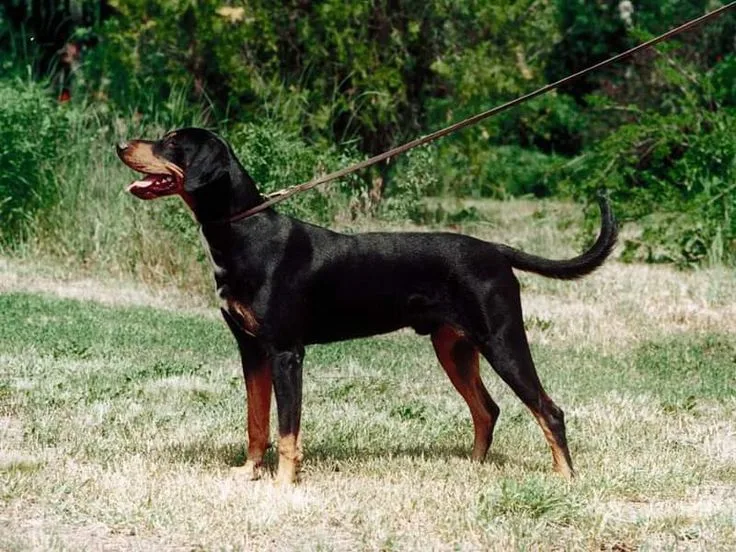
Transylvanian Hound
Dog · 10–14 years with proper care.

Hamiltonstovare
Dog · 12–14 years

British Shorthair
Cat · 12–20 years

Slovensky Kopov
Dog · 12–14 years

Segugio Italiano
Dog · 11–13 years

Broholmer
Dog · 8–10 years

Porcelaine
Dog · 12-14 years

Alapaha Blue Blood Bulldog
Dog · 12 - 13 years

Toyger Cat
Cat · 12–15 years
