Wow Pets Palace
Explore ProductsExplore BreedsArticlesContact Us

Stay Updated

Get the latest pet care tips, adoption stories, and product updates delivered to your inbox.

Wow Pets Palace

Wow Pets Palace is your trusted source for finding pets from responsible breeders and adoptable pets. Whether you're looking to adopt or need resources on pet care, we're here to help.

Quick Links

  • About Us
  • Contact Us
  • Help
  • FAQs

Services

  • Lost, Sale & Adoption Services
  • Pet Adoption
  • Pet Products
  • Breed Information
  • Pet Tracking
  • Pet Sitters
  • Adopt, Buy & Find Pets

Legal

  • Terms of Service
  • Privacy Policy
  • Cookie Policy
  • Disclaimer
  • Return Policy
  • Shipping Policy
  • Marketplace Rules
  • Community Guidelines

© 2026 Wow Pets Palace. All rights reserved.

Home
HomeDog BreedsSamoyed
Samoyed
1 / 2
Dog Breed🏆 #58 Most PopularWorking Group

Samoyed

Canis lupus familiaris  ·  Russia (Siberia)

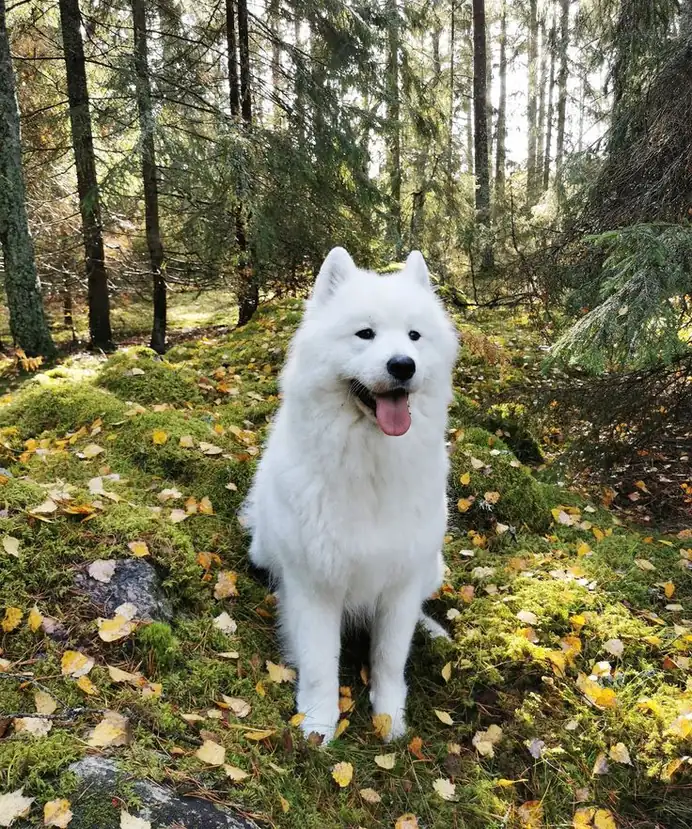
The Samoyed, known for its iconic "Sammy smile," fluffy white coat, and friendly nature, is one of the most beloved working dogs. Originally bred by the Samoyedic people of Siberia, these dogs served as sled dogs, herders, and family companions. With their striking looks and loving personalities, Samoyeds make excellent pets for the right family. Here’s a detailed guide to understanding and caring for this delightful breed.

Friendliness★★★★★
Intelligence★★★★☆
Family Fit★★★★★
Trainability★★★★☆

Quick Facts

Weight

45–65 lbs (M), 35–50 lbs (F)

Height

21–23.5 in (M), 19–21 in (F)

Life Span

12–14 years

Temperament

Friendly, Playful, Gentle

Energy Level

High

Trainability

Good

Shedding Level

Heavy

Good With Children

Excellent

Good With Other Pets

Very Good

Exercise Needs

1–2 hours daily

Fun Facts

🐕

Smiling Sled Dog

The Samoyed is known for its permanent smile-like expression.

🐕

Arctic Herder

This breed was used to herd reindeer in Siberia.

🐕

Fluffy White Coat

The Samoyed has a thick, white double coat built for extreme cold.

Breed Tags

#HeavyShedder#Friendly#SledDog#Large#DoubleCoat

Breed Characteristics

Friendliness
92%
Intelligence
78%
Affection Level
92%
Energy Level
78%
Protectiveness
60%
Playfulness
88%
Adaptability
72%
Trainability
72%
Apartment Suitability
45%
Beginner Owner Suitability
68%

Detailed Breed Information

Health

Samoyeds live 12 to 14 years. Hip dysplasia and Samoyed hereditary glomerulopathy, a serious kidney disease, affect the breed. Diabetes mellitus and cardiac conditions also occur. Ask breeders to show you genetic test results for kidney disease before buying a puppy. Keep annual vet visits consistent and watch for early signs of kidney issues such as increased thirst and urination.

Grooming

Your Samoyed has one of the most demanding coats of any breed. Brush at least four times a week to prevent mats. During seasonal coat blows, you need to brush daily to manage the enormous volume of white fur coming off. Bathe every six to eight weeks. Never shave your Samoyed since the double coat regulates their temperature in both heat and cold.

Exercise

Your Samoyed needs 60 minutes of vigorous exercise daily. Running, hiking, pulling sports, and agility all suit their athletic, energetic nature. They thrive in cold weather and struggle in heat, so exercise early in the morning or evening during summer. Without enough activity, Samoyeds become vocal, destructive, and difficult to live with.

Training

Samoyeds are intelligent but independent and will test your patience during training. Start early with positive reinforcement and keep sessions varied since they bore quickly with repetition. Socialize your puppy with many people, animals, and environments. Their natural friendliness helps, but structure prevents their independence from becoming stubbornness.

Nutrition

Feed a quality large breed formula twice daily with measured portions. Samoyeds can gain weight if you exercise less in summer, so adjust portions accordingly. Add omega 3 fatty acids to support their thick coat. Monitor kidney health markers through your vet and choose a diet appropriate for your dog age and activity level.

History

The Samoyed comes from northwestern Siberia, where the nomadic Samoyedic people bred them for centuries to herd reindeer, pull sleds, and sleep alongside their owners for warmth in extreme Arctic conditions. The close relationship between the breed and the Samoyedic people made these dogs exceptionally people oriented. European explorers used Samoyeds on polar expeditions in the late 1800s and early 1900s. The breed arrived in England around 1889 and the AKC recognized it in 1906.

Photo Gallery

Samoyed photo 1
Samoyed photo 2
Find Available Pets
Browse Similar Breeds

Videos About This Breed

0:13

Double Trouble Two Dogs Having Fun

0:16

German Shepherd Exploring the Grass

0:05

Cardigan Welsh Corgi

0:11

Dog Playing with Toy on Floor

0:10

Happy Dog Playing

0:10

Pure Love German Shepherd’s Sweet Moment

0:21

Playtime Joy Man & His Poodle Having Fun

Helpful Articles

German Shepherd vs Bull Terrier: Benefits of Owning Each Dog Breed

May 16, 2026

German Shepherd vs Bull Terrier: Benefits of Owning Each Dog Breed

Compare the German Shepherd and Bull Terrier to discover the benefits, temperament, training needs, grooming, health, and lifestyle suitability of each breed.

Similar Breeds You May Like

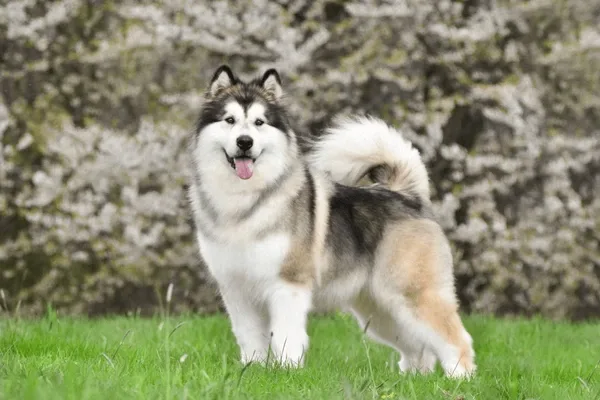
Alaskan Malamute

Alaskan Malamute

Dog · 10–14 years

Yakutian Laika

Yakutian Laika

Dog · 10–14 years

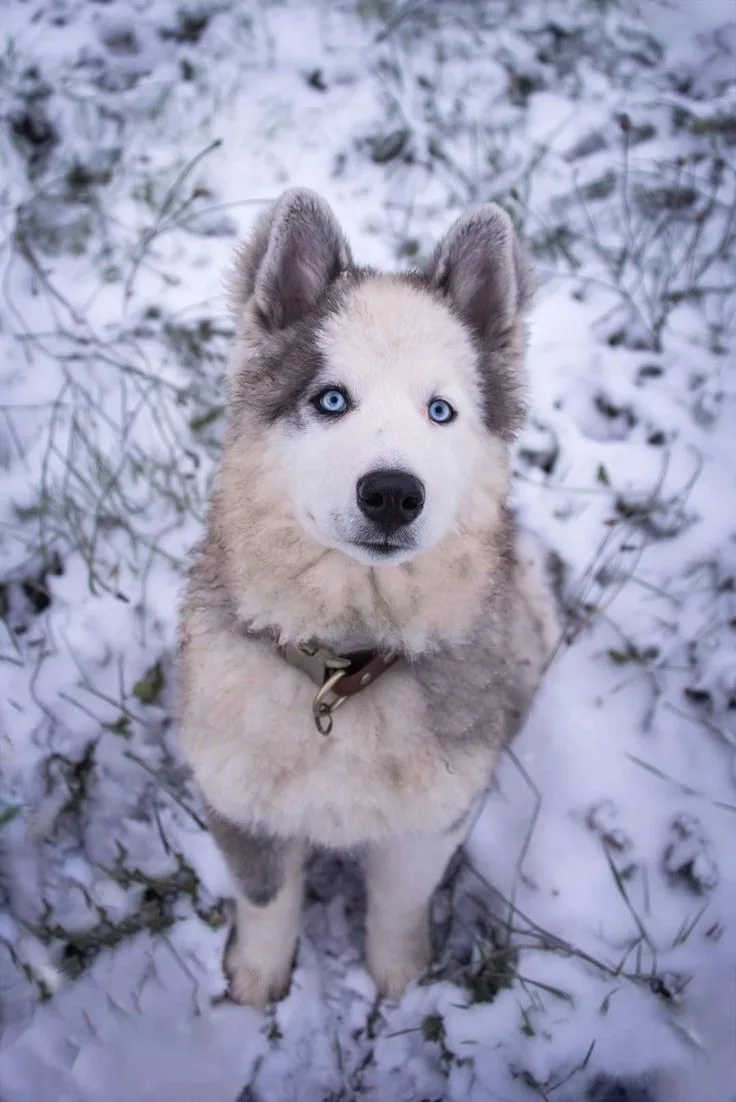
Siberian Husky

Siberian Husky

Dog · 12–14 years

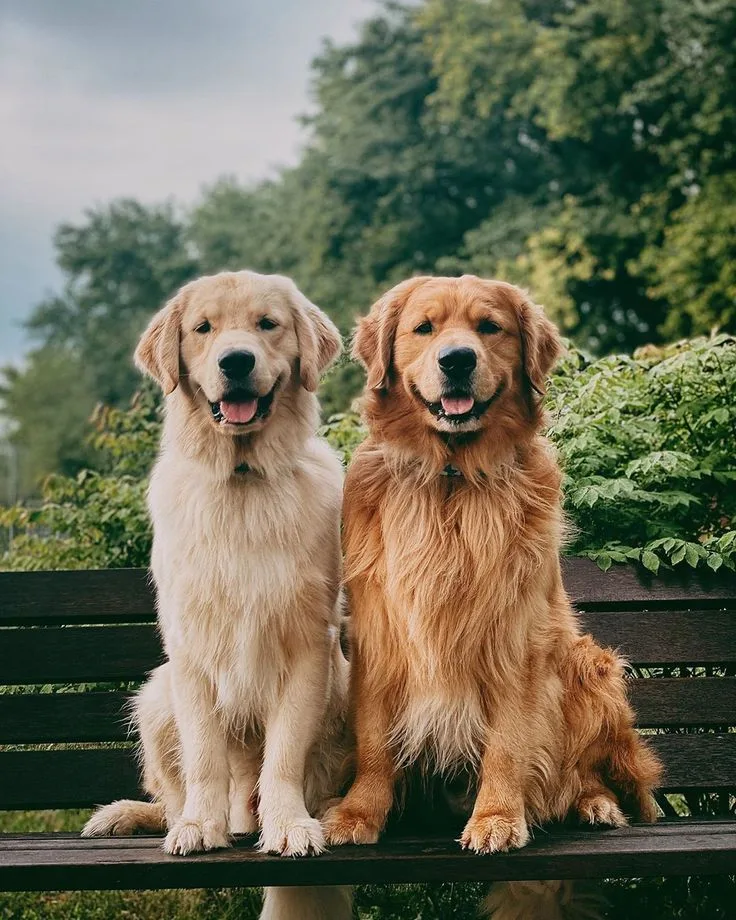
Golden Retriever

Golden Retriever

Dog · 10–12 years

Chinook

Chinook

Dog · 12–15 years

Wirehaired Pointing Griffon

Wirehaired Pointing Griffon

Dog · 12–14 years

Treeing Walker Coonhound

Treeing Walker Coonhound

Dog · 12–13 years with proper care.

Swedish Lapphund

Swedish Lapphund

Dog · 12–14 years

Slovensky Cuvac

Slovensky Cuvac

Dog · 11–13 years