Wow Pets Palace
Explore ProductsExplore BreedsArticlesContact Us

Stay Updated

Get the latest pet care tips, adoption stories, and product updates delivered to your inbox.

Wow Pets Palace

Wow Pets Palace is your trusted source for finding pets from responsible breeders and adoptable pets. Whether you're looking to adopt or need resources on pet care, we're here to help.

Quick Links

  • About Us
  • Contact Us
  • Help
  • FAQs

Services

  • Lost, Sale & Adoption Services
  • Pet Adoption
  • Pet Products
  • Breed Information
  • Pet Tracking
  • Pet Sitters
  • Adopt, Buy & Find Pets

Legal

  • Terms of Service
  • Privacy Policy
  • Cookie Policy
  • Disclaimer
  • Return Policy
  • Shipping Policy
  • Marketplace Rules
  • Community Guidelines

© 2026 Wow Pets Palace. All rights reserved.

Home
HomeCat BreedsPeterbald
Peterbald
1 / 2
Cat Breed🏆 #32 Most PopularDomestic Cat

Peterbald

Felis catus  ·  Russia

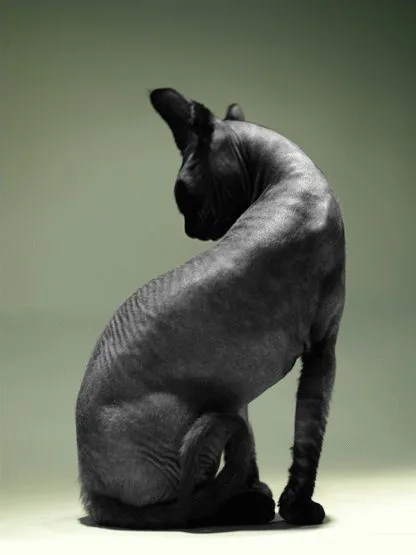
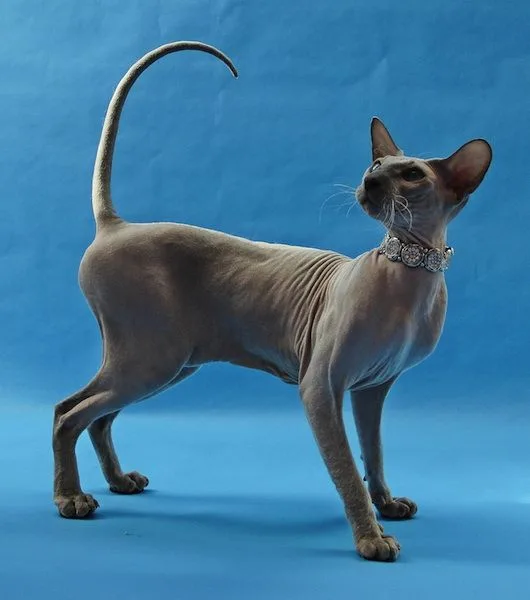
The Peterbald Cat is a striking breed known for its unique appearance, affectionate personality, and social nature. Originating in Russia, the Peterbald is a relatively new breed that has quickly gained popularity among cat enthusiasts. This guide provides a detailed overview of the Peterbald Cat, covering everything from physical characteristics and traits to caring tips.
Friendliness★★★★★
Intelligence★★★★★
Family Fit★★★★★
Trainability★★★★★

Quick Facts

Weight

6–10 lbs

Height

8–10 in

Life Span

12–15 years

Temperament

Curious, Playful, Affectionate

Energy Level

High

Trainability

Very Good

Shedding Level

None to Low

Good With Children

Very Good

Good With Other Pets

Very Good

Exercise Needs

20 min daily

Fun Facts

🐈

Hairless or Furred

The Peterbald can be born hairless or with a very short coat.

🐈

Russian Origin

This breed was developed in St. Petersburg, Russia.

🐈

Warm to the Touch

Hairless Peterbalds feel warm because their skin is exposed.

Breed Tags

#RussianCatBreed#SocialCat#AffectionateCat#Medium#Hairless

Breed Characteristics

Friendliness
90%
Intelligence
85%
Affection Level
95%
Energy Level
80%
Protectiveness
42%
Playfulness
85%
Adaptability
80%
Trainability
85%
Apartment Suitability
88%
Beginner Owner Suitability
72%

Detailed Breed Information

Health

Peterbalds live 12 to 15 years. Hypertrophic cardiomyopathy is the primary hereditary concern in this breed. Their hairless or near hairless body makes them vulnerable to sunburn, skin infections, and temperature extremes. Skin cuts and abrasions heal more slowly than in coated breeds. Annual vet visits with cardiac monitoring and skin assessments protect long term health.

Grooming

Your Peterbald needs skin care rather than coat grooming. Bathe weekly to remove body oil buildup that causes skin odor and acne. Apply a gentle moisturizer if the skin feels dry after bathing. Keep them warm indoors since they lose body heat rapidly. Clean ears weekly since they accumulate wax without surrounding hair to filter debris.

Exercise

Peterbalds are active, agile, and playful. They love interactive wand toys, climbing, and games with their owners. They maintain a lean, muscular body through regular activity. Provide tall cat trees, puzzle feeders, and two vigorous play sessions daily. Without enough stimulation they become vocal and attention seeking.

Training

Peterbalds are intelligent, social, and responsive to treat based training. They learn tricks, routines, and their name quickly. They are affectionate cats that follow their owners and enjoy being involved in daily activities. Socialize kittens early. Their friendly, outgoing nature makes them easy to introduce to new people and pets.

Nutrition

Peterbalds have a faster metabolism than coated cats and need slightly more calories to maintain body temperature and lean muscle. Feed a quality protein rich diet twice daily. Monitor weight monthly. Choose foods with real meat as the first ingredient. Always provide fresh water. Two measured meals daily work better than free feeding.

History

The Peterbald developed in St. Petersburg, Russia, in 1994 when breeder Olga S. Mironova crossed a Sphynx male with an Oriental Shorthair female. The resulting kittens carried a new dominant hair loss gene distinct from the Sphynx recessive gene. Peterbalds can range from completely hairless to having a fine fuzz coat to a thin brush coat depending on which genes they inherit. The World Cat Federation recognized the Peterbald in 1997 and TICA recognized it in 2005.

Photo Gallery

Peterbald photo 1
Peterbald photo 2
Find Available Pets
Browse Similar Breeds

Products Peterbald Owners Love

PAWISE 2-WAY DOG DOOR, SIZE M,39*45CM

PAWISE 2-WAY DOG DOOR, SIZE M,39*45CM

€130.68 5
FERRIBIELLA PHILOSOPHY MICROFIBER PET TOWEL M

FERRIBIELLA PHILOSOPHY MICROFIBER PET TOWEL M

€70.69 5
FLAMINGO DOG COLLAR NUSA PENIDA BLUE M

FLAMINGO DOG COLLAR NUSA PENIDA BLUE M

€18.02 5
FLAMINGO DOG SHOES M

FLAMINGO DOG SHOES M

€29.11 5
AFP MIGHTY WEEL M

AFP MIGHTY WEEL M

€8.58 5
AFP TREAT HIDER DOG - M

AFP TREAT HIDER DOG - M

€11.09 5
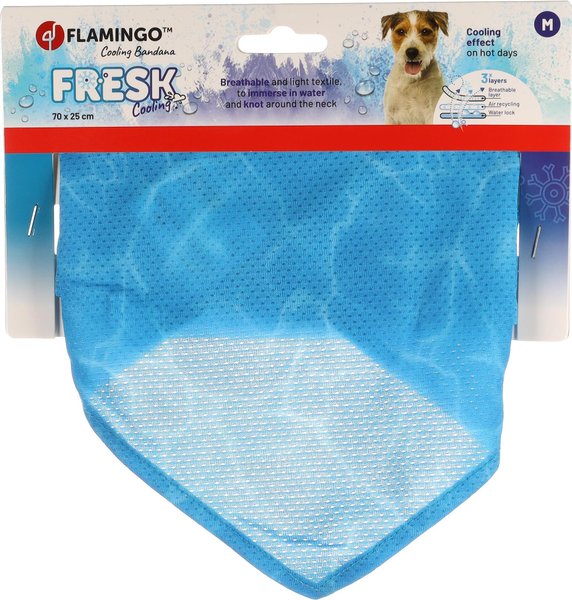
FLAMINGO COOLING BANDANA FRESK INOU M PINK

FLAMINGO COOLING BANDANA FRESK INOU M PINK

€13.19 5
FLAMINGO COOLING BANDANA FRESK INOU M BLUE

FLAMINGO COOLING BANDANA FRESK INOU M BLUE

€13.19 5

Videos About This Breed

0:10

Happy Dog Playing

Helpful Articles

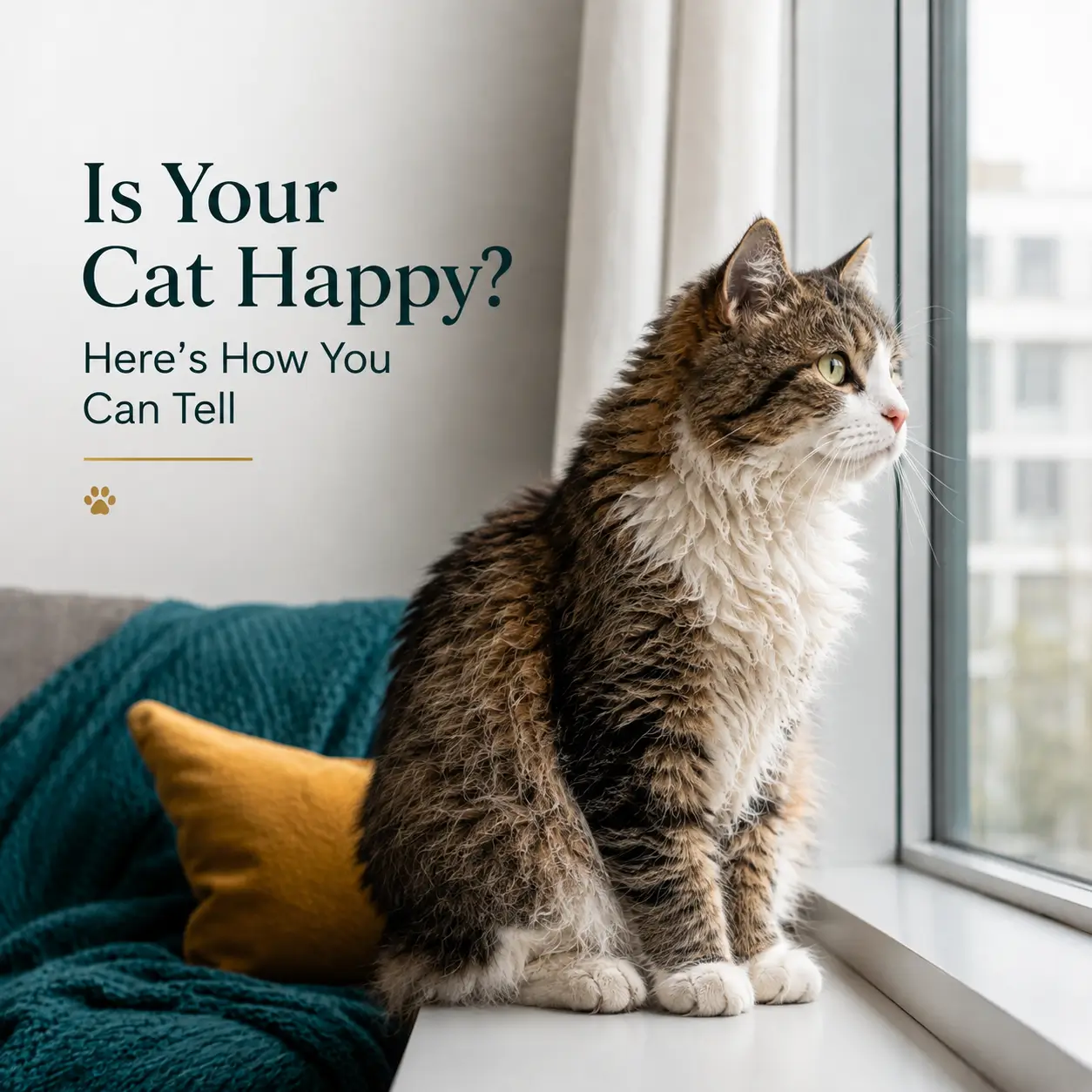
Is Your Cat Happy? Here’s How You Can Tell

Aug 6, 2026

Is Your Cat Happy? Here’s How You Can Tell

Similar Breeds You May Like

Sphynx Cat

Sphynx Cat

Cat · 9–15 years

Tonkinese Cat

Tonkinese Cat

Cat · 12–16 years

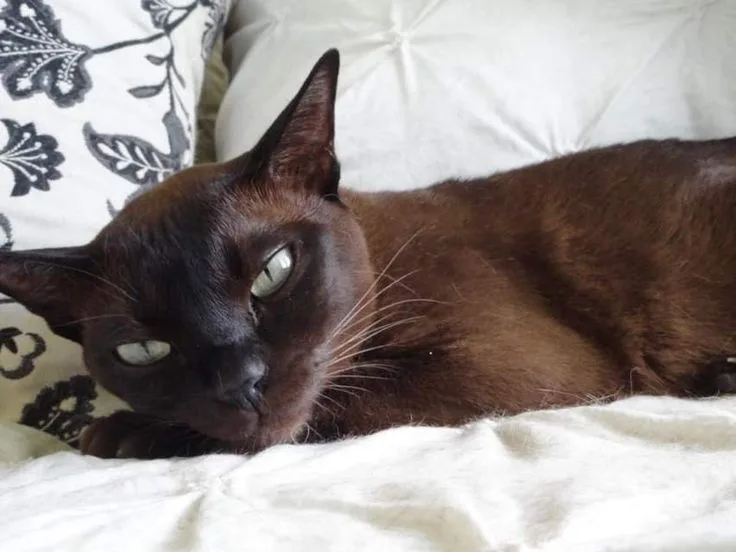
European Burmese

European Burmese

Cat · 12–16 years

Burmese

Burmese

Cat · 10–16 years

Russian Blue Cat

Russian Blue Cat

Cat · 15–20 years

Oriental

Oriental

Cat · 12–15 years

LaPerm

LaPerm

Cat · 10–15 years

Havana Brown

Havana Brown

Cat · 12–15 years

Bombay Cat Breed

Bombay Cat Breed

Cat · 12–16 years