Felis catus · United States
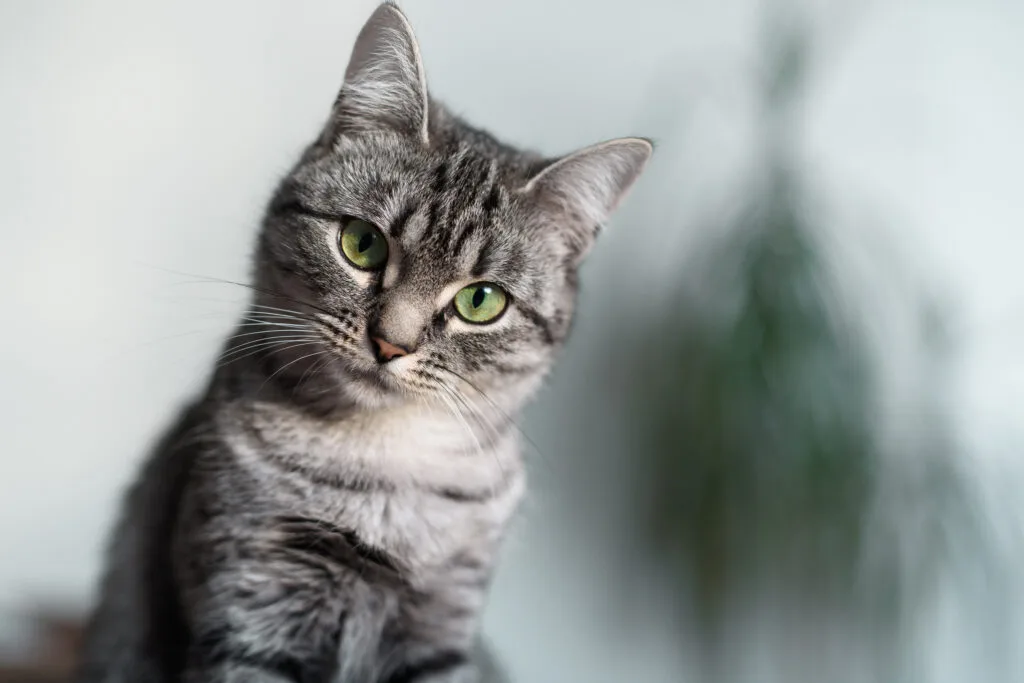
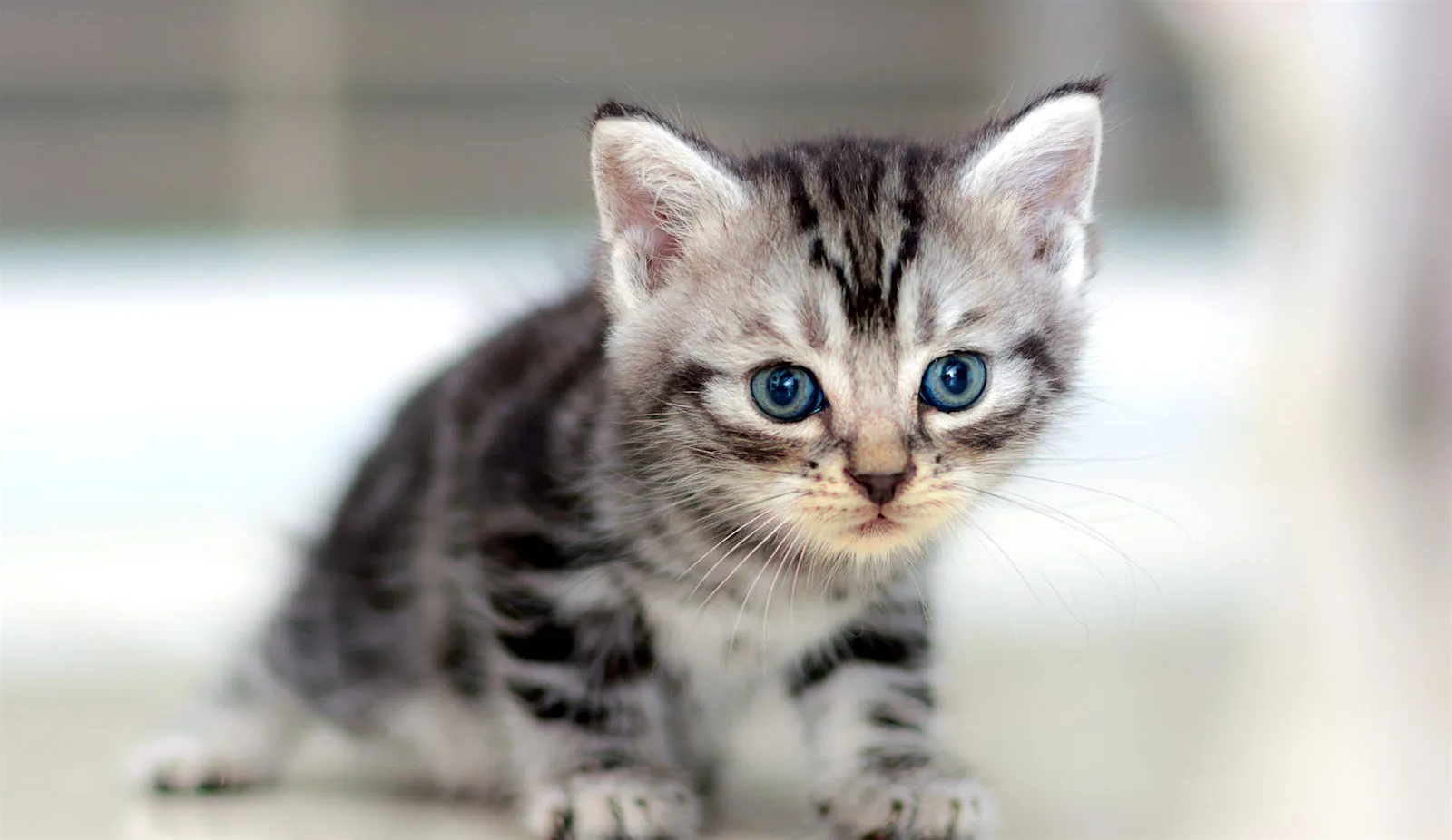
The American Shorthair is a popular and versatile cat breed known for its affectionate temperament, robust health, and stunning coat. Originally bred as working cats to control rodents, they have become beloved pets for families due to their playful nature and adaptability. With their charming looks and easygoing personality, the American Shorthair is a perfect feline companion for any household.
Weight
11–15 lbs (M), 8–12 lbs (F)
Height
8–10 in
Life Span
15–20 years
Temperament
Easy-going, Friendly, Adaptable
Energy Level
Moderate
Trainability
Good
Shedding Level
Moderate
Good With Children
Excellent
Good With Other Pets
Excellent
Exercise Needs
20 min daily
American Classic
The American Shorthair has been part of American life since colonial times.
Mouse Hunter
Early settlers brought this cat over to help control mice on ships.
Many Colors
American Shorthairs come in over 80 different colors and patterns.
The American Shorthair is one of the healthiest, longest-lived cat breeds in existence. A lifespan of 15 to 20 years is genuinely realistic with good care — which says a great deal about how robust this breed is as a result of centuries of natural selection.
The main hereditary health concern is hypertrophic cardiomyopathy (HCM) — a thickening of the heart muscle that's been confirmed as a hereditary condition in American Shorthairs. Reputable breeders screen their cats, and regular cardiac checkups via echocardiogram are recommended as the cat ages.
The other thing to manage is weight. American Shorthairs love their food, and their laid-back temperament means they don't always burn it off. Obesity shortens lives and stresses joints — keeping your cat lean is one of the most impactful things you can do for their long-term health. Dental disease is also common, as it is in all cats, and regular tooth brushing makes a meaningful difference.
That short, dense coat is one of the great low-maintenance features of this breed. A gentle brush once a week keeps the coat clean, reduces shedding, and gives you a chance to check the skin for anything unusual. During spring and fall when they shed a bit more heavily, increasing to twice a week makes a noticeable difference.
American Shorthairs are excellent self-groomers — tidy cats who rarely need a bath unless they get into something. The routine care that matters most is the teeth. Brushing your cat's teeth regularly — even a few times a week — dramatically reduces the chance of dental disease, which is the most common health issue vets see in cats overall.
Trim nails every couple of weeks, check ears monthly, and that's about it. Simple and manageable.
American Shorthairs are moderately active cats — they enjoy play but aren't demanding or hyperactive about it. The key is building daily play into their routine, because without it, they'll spend most of their time sleeping, and the weight will creep up.
A couple of interactive play sessions a day using wand toys, feather teasers, or a laser pointer satisfies both their prey drive and their need for stimulation. A good cat tree near a window gives them somewhere to climb, perch, and watch the world — which they find genuinely entertaining.
They can be left alone during the day without too much trouble, but they appreciate interaction when you're home. Puzzle feeders and rotating toys help keep them engaged on their own.
American Shorthairs are easy-going, adaptable cats that learn household routines quickly and don't tend to push boundaries the way some more mischievous breeds do. Litter box training is typically effortless — they're clean by nature and take to it almost immediately.
They can learn to come when called, respond to their name consistently, and pick up simple tricks when training is kept fun and food-motivated. Scratching post training is easy from kittenhood — introduce one early and redirect them consistently, and they'll rarely target the furniture.
Their calm, balanced temperament makes them one of the easiest breeds to introduce to children, other cats, or even cat-friendly dogs. Slow introductions with positive associations work best, but most American Shorthairs settle in comfortably without much drama.
American Shorthairs need the same thing all cats need — high-quality animal protein and minimal processed fillers. A combination of wet and dry food works well for most individuals: wet food provides hydration and mirrors their natural diet, while dry food offers convenience and some dental benefit.
The challenge with this breed is portion control. They're prone to overeating and weight gain, and their compact, muscular body makes it easy to miss. Feed two measured meals a day rather than leaving food out all the time, and keep treats to a minimum.
A good rule of thumb: if you can feel the ribs easily without pressing hard, your cat is probably at a healthy weight. If it takes effort to find them, it's time to adjust the portions.
The American Shorthair has one of the longest histories of any breed in North America — and it begins not with a breeding program, but with a ship.
When European settlers sailed to the New World in the early 1600s, they brought cats along to protect their food stores from rodents during the voyage. These working cats — sturdy, adaptable, and excellent hunters — came ashore with the colonists and spread across the continent alongside them. Some believe cats arrived on the Mayflower in 1620. What's certain is that these early cats became woven into the fabric of American life, working on farms, in barns, and in homes as reliable pest controllers for generations.
Over centuries, only the toughest, most capable cats survived and reproduced in the varied climates of North America — natural selection doing the work that breeders would later do deliberately. The result was a naturally healthy, sturdy, versatile cat that adapted easily to almost any environment.
By the early 1900s, some breeders began working to standardize and preserve the type. The first officially registered American Shorthair was a brown tabby male named Buster Brown in 1904. The Cat Fanciers' Association recognized the breed in 1906 — among the very first five breeds ever registered — though they were still called "Domestic Shorthairs" at the time. The name "American Shorthair" wasn't adopted until 1966, when breeders wanted to distinguish their pedigreed cats from ordinary mixed-breed shorthairs.
Today the American Shorthair is consistently one of the most popular cat breeds in the United States. At wowpetspalace.com, we love this breed for exactly what it is: a true American original, shaped by history rather than fashion, and built to last.
Munchkin Cat
Tiny Kitten Walking All Alone
Munchkin Cat Exploring the Green Grass
Happy Dog Playing