
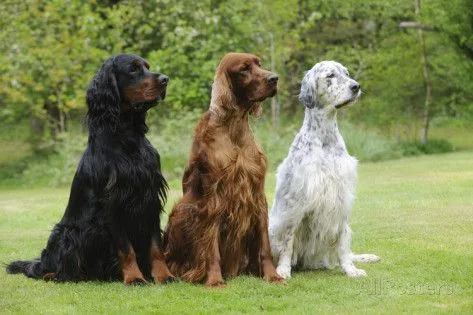
Canis lupus familiaris · Scotland, United Kingdom
The Gordon Setter is a large, athletic sporting dog known for its striking black-and-tan coat, noble appearance, and loyal personality. Bred for hunting and fieldwork, they are intelligent, confident, and affectionate companions, thriving in active a
Weight
55–80 lbs (M), 45–70 lbs (F)
Height
24–27 in (M), 23–26 in (F)
Life Span
12–13 years
Temperament
Alert, Loyal, Confident
Energy Level
High
Trainability
Good
Shedding Level
Moderate
Good With Children
Very Good
Good With Other Pets
Good
Exercise Needs
1–2 hours daily
Scottish Setter
The Gordon Setter is the only setter breed developed in Scotland.
Black and Tan Coat
This breed has a glossy black coat with tan markings.
Steady Hunter
Gordon Setters hunt at a slower, more careful pace than other setters.
Gordon Setters typically live 10 to 12 years. Hip dysplasia and bloat are significant concerns given their large, deep-chested build. Hypothyroidism and certain eye conditions also occur. Otherwise, this is a generally healthy, sturdy sporting breed.
Gordon Setters typically live 10 to 12 years. Hip dysplasia and bloat are significant concerns given their large, deep-chested build. Hypothyroidism and certain eye conditions also occur. Otherwise, this is a generally healthy, sturdy sporting breed.
That silky, feathered black-and-tan coat needs brushing two to three times a week to prevent matting. Professional grooming every six to eight weeks helps maintain the coat. Bathe every few weeks. Ears need regular checks given their floppy shape.
That silky, feathered black-and-tan coat needs brushing two to three times a week to prevent matting. Professional grooming every six to eight weeks helps maintain the coat. Bathe every few weeks. Ears need regular checks given their floppy shape.
Bred as a versatile bird-hunting companion, Gordon Setters need close to an hour of activity daily. Walks, field work, and active play suit their athletic, energetic nature well. They have real stamina built for long days outdoors. Mental stimulation through scent and retrieving games keeps them genuinely engaged.
Bred as a versatile bird-hunting companion, Gordon Setters need close to an hour of activity daily. Walks, field work, and active play suit their athletic, energetic nature well. They have real stamina built for long days outdoors. Mental stimulation through scent and retrieving games keeps them genuinely engaged.
Intelligent but a touch independent, Gordon Setters generally train well with patient, confident handling. Positive reinforcement produces the best results. Early socialization rounds out their naturally loyal, somewhat reserved temperament. This breed thrives with a consistent, engaged handler.
Intelligent but a touch independent, Gordon Setters generally train well with patient, confident handling. Positive reinforcement produces the best results. Early socialization rounds out their naturally loyal, somewhat reserved temperament. This breed thrives with a consistent, engaged handler.
A quality medium-to-large breed formula with good protein suits their active sporting lifestyle. Two measured meals daily reduce bloat risk in this deep-chested breed. Avoid heavy exercise right after eating. Fresh water should always be available, especially after field activity.
A quality medium-to-large breed formula with good protein suits their active sporting lifestyle. Two measured meals daily reduce bloat risk in this deep-chested breed. Avoid heavy exercise right after eating. Fresh water should always be available, especially after field activity.
Developed in Scotland, the Gordon Setter takes its name from the Duke of Gordon, who refined the breed at his estate in the early 1800s. Bred for pointing game birds across rugged Scottish terrain, their stamina and striking black-and-tan coat set them apart. The breed remains the largest and heaviest of the setter breeds today, valued for both field work and loyal companionship.
Developed in Scotland, the Gordon Setter takes its name from the Duke of Gordon, who refined the breed at his estate in the early 1800s. Bred for pointing game birds across rugged Scottish terrain, their stamina and striking black-and-tan coat set them apart. The breed remains the largest and heaviest of the setter breeds today, valued for both field work and loyal companionship.

Double Trouble Two Dogs Having Fun
German Shepherd Exploring the Grass
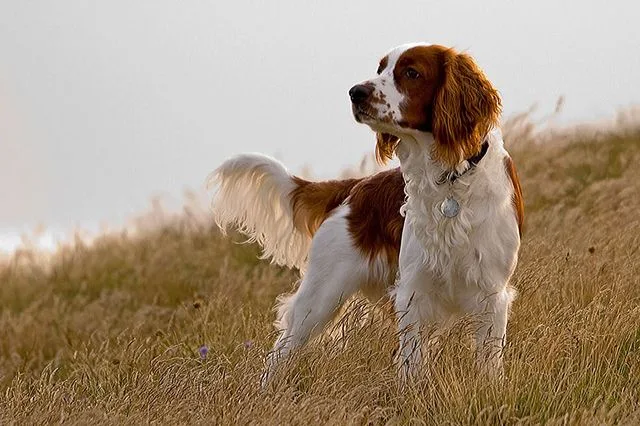
Irish Red and White Setter
Dog · 11–15 years
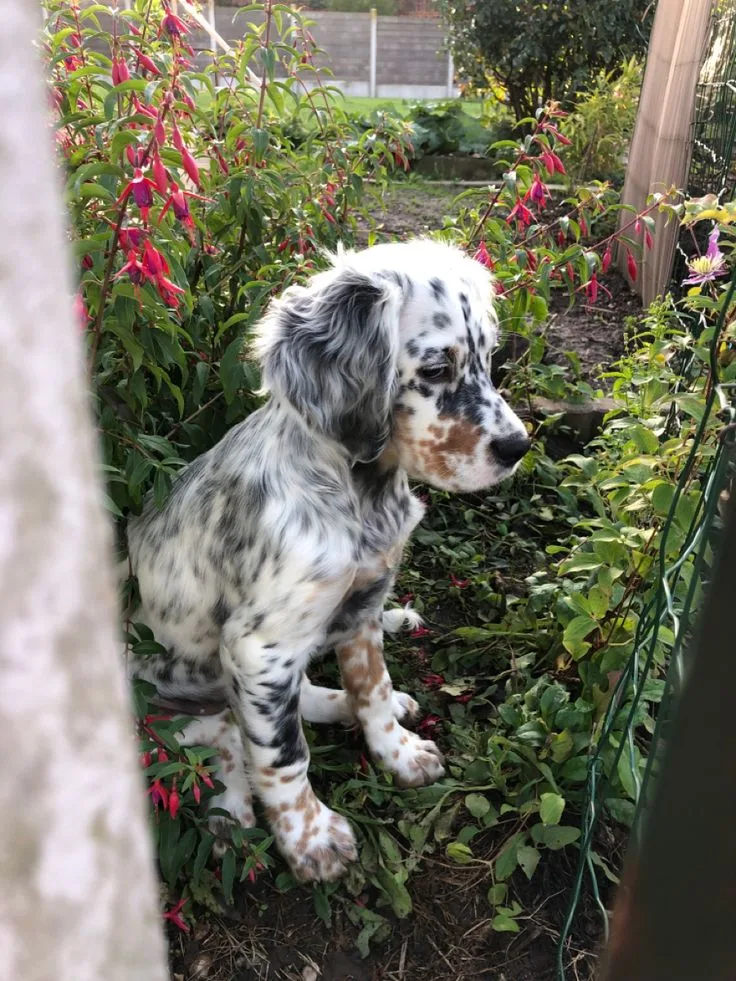
English Setter
Dog · 10–12 years
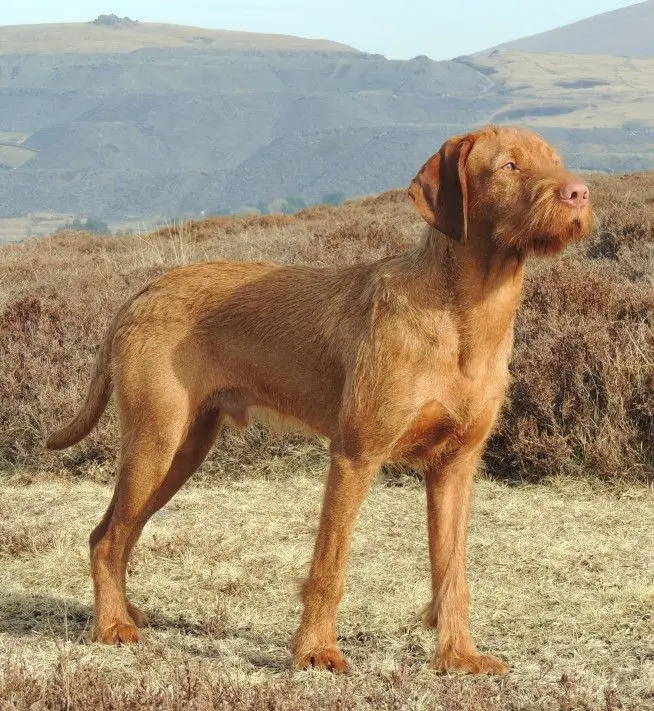
Wirehaired Vizsla
Dog · 12–14 years

Wirehaired Pointing Griffon
Dog · 12–14 years
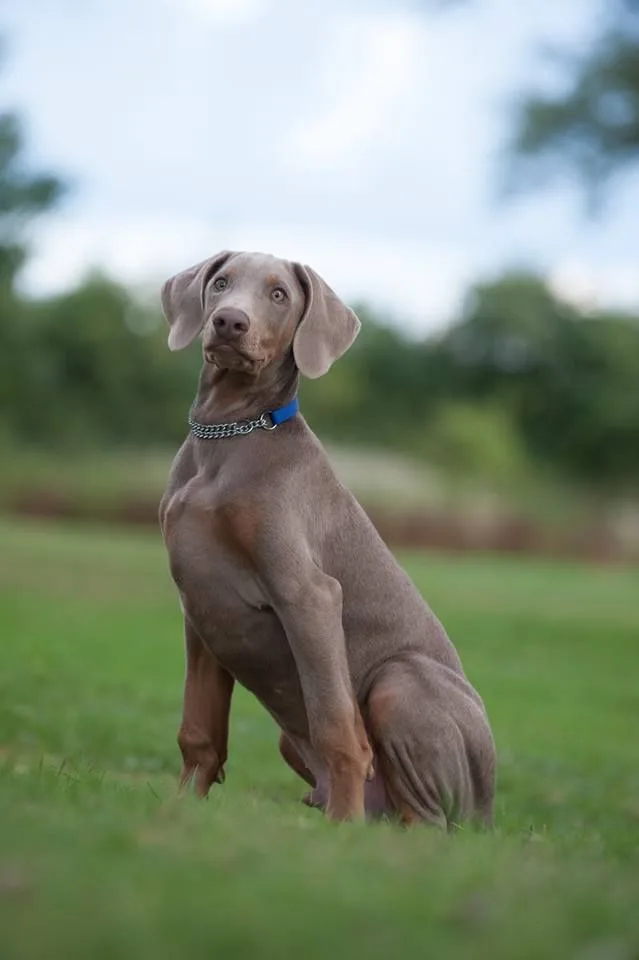
Weimaraner
Dog · 10–13 years
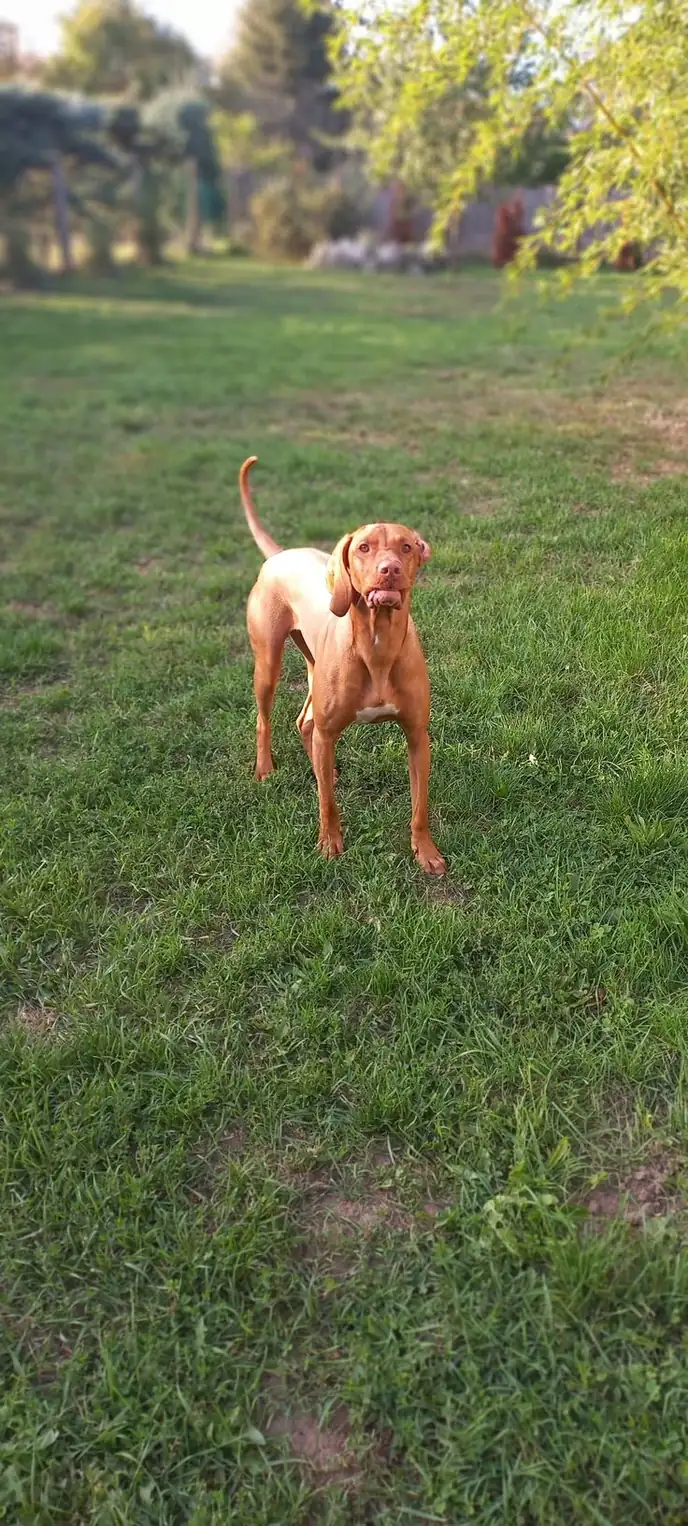
Vizsla
Dog · 12–14 years with proper care.

Spinone Italiano
Dog · 12–14 years
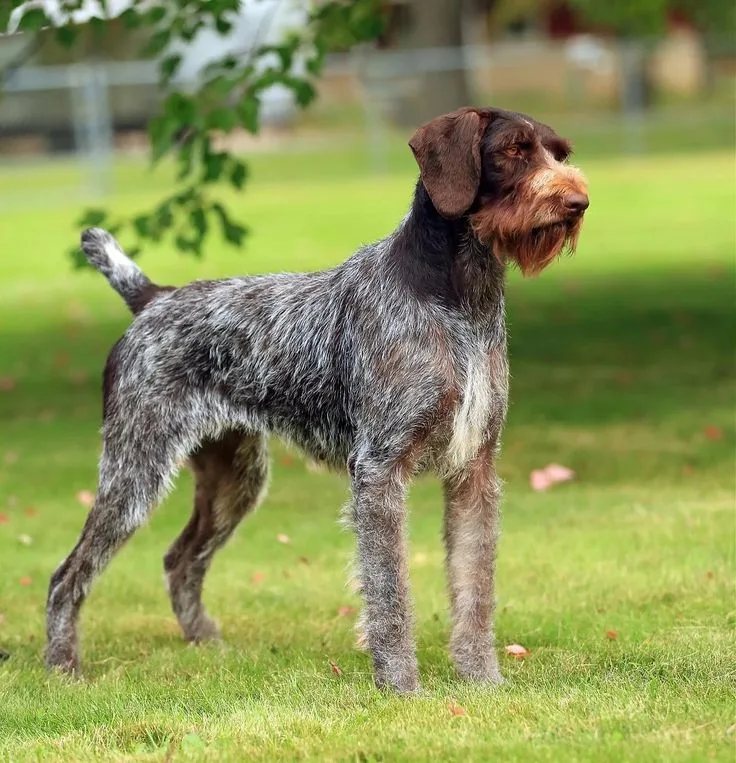
Slovakian Wirehaired Pointer
Dog · 12–14 years

Saluki
Dog · 12–14 years
