

Canis lupus familiaris · United Kingdom
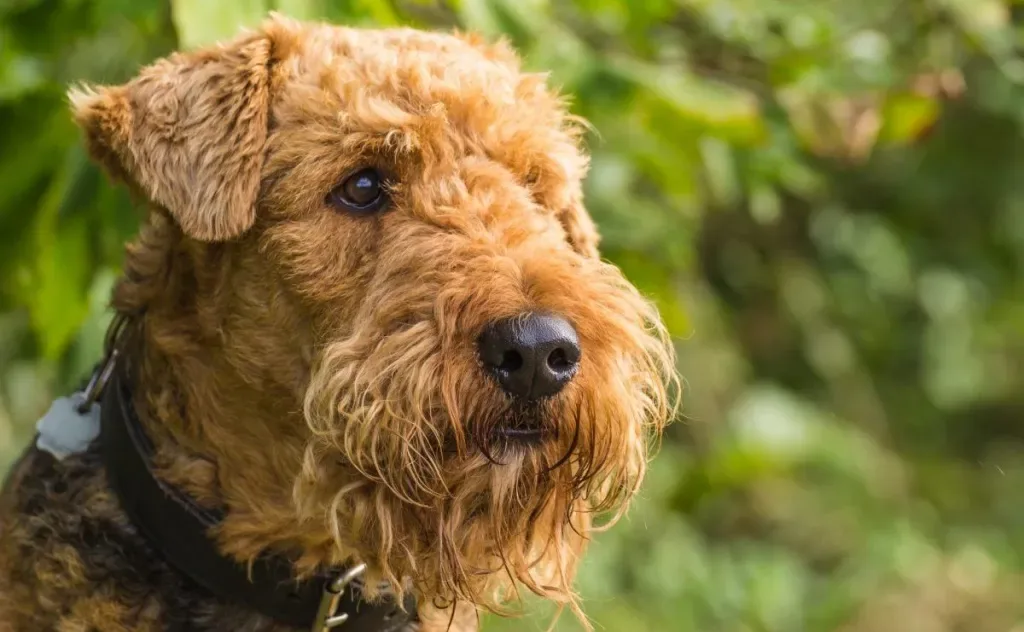
The Airedale Terrier, known as the "King of Terriers," is the largest of all terrier breeds. Renowned for their intelligence, versatility, and loyal nature, Airedales excel as family pets, working dogs, and show dogs. With a rich history as hunters and guardians, these dogs combine athleticism with a friendly demeanor.
Weight
50–70 lbs
Height
23 in
Life Span
11–14 years
Temperament
Friendly, Clever, Courageous
Energy Level
High
Trainability
Good
Shedding Level
Low
Good With Children
Very Good
Good With Other Pets
Good
Exercise Needs
1–2 hours daily
Tough Coat
The Airedale Terrier has a wiry coat that protects it outdoors.
King of Terriers
Airedale Terriers are the largest of all terrier breeds.
War Heroes
Airedales worked as messenger dogs during World War One.
Airedales are tough, energetic dogs — the kind of breed that seems almost invincible. Most live 10 to 13 years, and many stay active and playful well into old age.
That said, bloat is something every Airedale owner should know about. It's a sudden emergency where the stomach twists and fills with gas, and it can be fatal within hours if not treated. Deep-chested dogs like the Airedale are more vulnerable, so splitting meals into two sittings and avoiding heavy exercise right after eating is genuinely important.
Hip problems and thyroid issues show up with some regularity in the breed. Hypothyroidism — when the thyroid doesn't produce enough hormone — causes weight gain, low energy, and skin and coat changes. It's very manageable with daily medication, but it's worth keeping in mind.
Airedales can also develop skin sensitivities. Some owners find that adjusting the diet helps significantly.
That distinctive wiry, tan-and-black coat is one of the most recognizable in the dog world — and it requires some specific care to keep it looking its best.
Brush the coat a few times a week to stay on top of loose hair and tangles. Unlike many breeds, Airedales should ideally be hand-stripped rather than clipped — stripping removes the dead outer coat by hand and keeps the proper texture. Clipping softens the coat over time, which is fine for pets, but it does change the look.
Most owners take their Airedale to a professional groomer who knows the breed three to four times a year. In between, regular brushing, ear checks — their floppy ears trap moisture and are prone to infection — and nail trims keep everything in order.
This is a working dog in every sense of the word, and a 15-minute stroll around the block simply won't cut it. Airedales need at least an hour to an hour and a half of real exercise every day — running, swimming, hiking, fetch, or anything that gets them genuinely moving.
A bored Airedale is a destructive Airedale. They'll dig up the garden, chew what they shouldn't, and find creative ways to entertain themselves that you probably won't enjoy. Give them a job, give them exercise, give them mental challenges, and they're wonderful. Without those things, they're a handful.
Dog sports like agility, nose work, and tracking are a perfect fit for this breed.
The Airedale is often described as the smartest of all terriers — and anyone who's lived with one would probably agree. They learn fast, remember everything, and figure people out quickly.
The flip side of that intelligence is that they also master bad habits just as quickly as good ones. Consistency matters enormously with this breed. If you let something slide once, they'll remember that too.
Positive reinforcement — treats, enthusiasm, play — works far better than stern corrections. Airedales don't respond well to heavy-handed training. They respect a calm, confident leader and lose interest in an anxious or inconsistent one.
Early socialization is essential. An Airedale that meets plenty of people, dogs, and situations as a puppy grows into a stable, trustworthy adult. Skip that window and it becomes much harder later.
Airedales are medium-to-large active dogs with a good appetite, and they do best on a high-quality protein-based diet. Two meals a day rather than one large meal helps reduce bloat risk and keeps their energy more even throughout the day.
They can be prone to weight gain if their exercise drops off — which sometimes happens in winter or after an injury. Keep an eye on the waistline. You should be able to feel the ribs easily without pressing hard.
Some Airedales with skin problems respond well to a limited-ingredient or grain-free diet, but it's worth talking through any dietary changes with your vet before making the switch.
The Airedale Terrier was born in the Aire Valley of Yorkshire, England, in the mid-1800s — created by working-class hunters who wanted a dog that could do it all. They crossed Otterhounds (for their nose and love of water) with local terrier breeds, and what emerged was a dog capable of tracking, retrieving, swimming, and catching everything from rats and otters to larger game. The biggest of all terrier breeds, the Airedale quickly earned the title "King of Terriers."
What really made the breed's reputation, though, wasn't the hunting. It was the war. During World War I, Airedales served on the front lines as messenger dogs, Red Cross search dogs, and guard dogs. One dog named Jack became famous for delivering a vital message through enemy fire even after being severely wounded — a story that cemented the Airedale's legendary status in Britain.
After the war, their popularity soared. Three American presidents — Woodrow Wilson, Warren Harding, and Calvin Coolidge — owned Airedales. They've been police dogs, military dogs, search-and-rescue dogs, and beloved family companions. The AKC recognized the breed in 1888, making the Airedale one of America's earliest registered breeds.
At wowpetspalace.com, we consider the Airedale one of the great all-round breeds — versatile, loyal, and endlessly capable.

Portuguese Podengo
Dog · 12-15 years

Wire Fox Terrier
Dog · 12–15 years

Welsh Terrier
Dog · 12–15 years
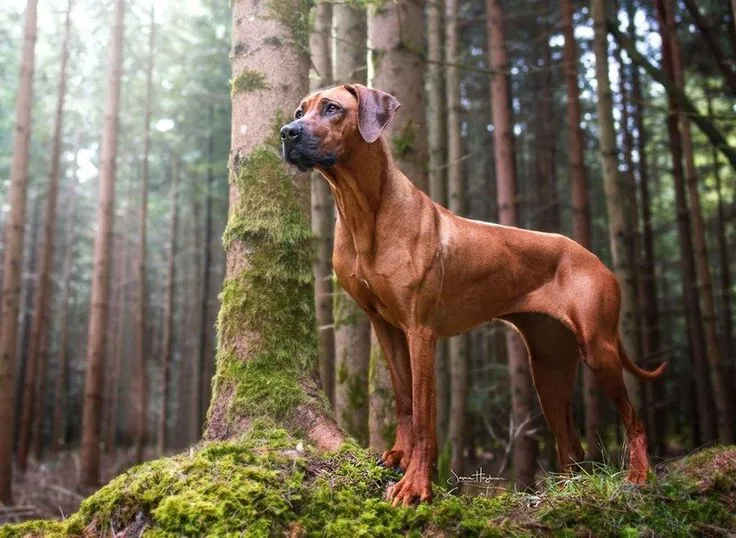
Rhodesian Ridgeback
Dog · 10–12 years
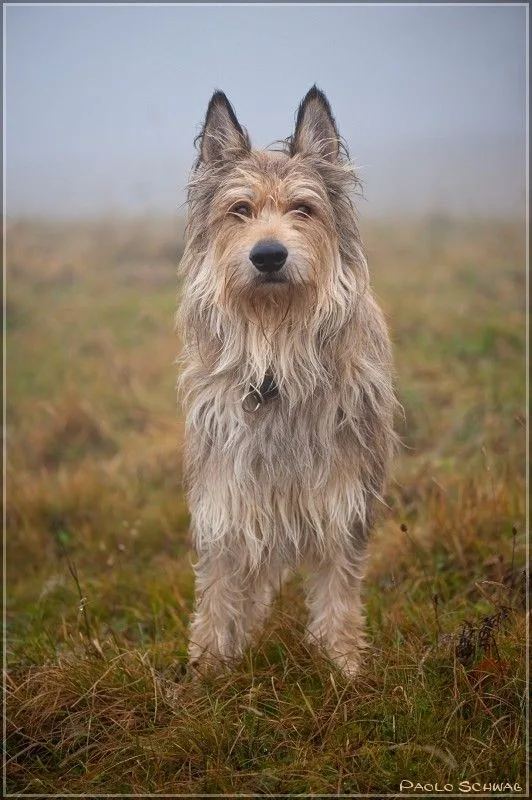
Berger Picard
Dog · 12 to 14 years

Portuguese Podengo Pequeno
Dog · 12-15 years

Norwich Terrier
Dog · 12–15 years

Norfolk Terrier
Dog · 12–16 years

Lakeland Terrier
Dog · 12-15 years


