Canis lupus familiaris · Afghanistan
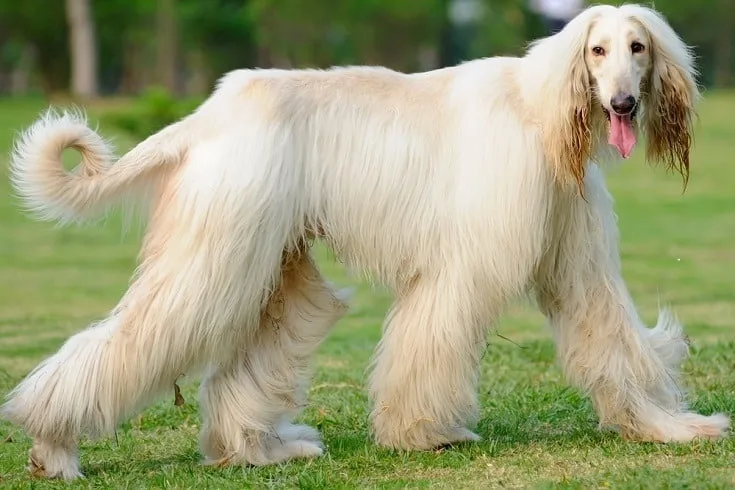
The Afghan Hound is renowned for its aristocratic appearance, flowing coat, and independent personality. This ancient breed, once a hunting dog in the rugged terrains of Afghanistan, now graces homes with its elegance and charm. The Afghan Hound is a unique blend of beauty, agility, and loyalty, making it a cherished companion for those who appreciate its dignified demeanor.
Weight
50–60 lbs
Height
25–27 in
Life Span
12–18 years
Temperament
Aloof, Clownish, Dignified
Energy Level
High
Trainability
Moderate
Shedding Level
Low
Good With Children
Good
Good With Other Pets
Moderate
Exercise Needs
1–2 hours daily
Ancient Breed
The Afghan Hound is one of the oldest dog breeds in the world.
Built for Speed
This breed can run very fast and was once used to hunt in mountains.
Flowing Coat
Afghan Hounds have long, silky hair that flows when they run.
Afghan Hounds are naturally lean, elegant dogs that tend to live 12 to 15 years with good care. One thing every owner must know upfront: because Afghans carry almost no body fat, they react to anesthesia very differently from other breeds. Always remind your vet — every single time — that your dog is an Afghan Hound before any procedure.
Bloat is a serious risk with deep-chested breeds like this one. It's a sudden, life-threatening condition where the stomach twists on itself. Feeding two smaller meals instead of one large one, and avoiding vigorous exercise right after eating, significantly reduces the risk.
Eye issues and hip problems occasionally appear in the breed, and hypothyroidism shows up more than in many other breeds. None of this means Afghans are fragile — far from it. But they do need an owner who pays attention.
That coat is the reason people stop in the street. It's also the reason Afghan Hound ownership is genuinely not for everyone.
Maintaining it properly means bathing every two to three weeks, always before brushing — never brush a dry Afghan coat, or you'll cause breakage. After the bath, blow-dry thoroughly, then work through the coat from the ends upward with a pin brush and wide-tooth comb. The ears, topknot, and leg feathering need the most attention.
Realistically, most pet owners bring their Afghan to a professional groomer who knows the breed. Even then, you'll need to maintain the coat between appointments. It's a commitment — but owners who embrace it often say the grooming routine becomes one of their favorite bonding rituals.
These dogs were built to run. Originally used to chase gazelle and hare across mountainous terrain in Afghanistan, they carry that athletic drive in their DNA to this day.
An Afghan Hound needs at least an hour to two hours of exercise daily, and at least some of that should be running. The critical rule: always in a securely fenced area. Their prey drive is so strong that once something catches their eye, no amount of calling will bring them back. They are incredibly fast — one of the fastest dog breeds in the world.
Lure coursing is a perfect activity for this breed. It satisfies their natural instincts and gives them the full run they crave. They're surprisingly calm and relaxed indoors when properly exercised.
Afghan Hounds are intelligent, but they were bred to work independently — to make decisions without waiting for a human's input. That quality makes them excellent hunters and genuinely difficult training students.
They're not trying to be difficult. They just don't have the same desire to please their owner that a Labrador or Golden Retriever does. What works best is keeping sessions very short, using high-value food rewards, and maintaining a relaxed, patient attitude. Pushing an Afghan harder rarely produces better results.
Early socialization is critical. Afghans that aren't exposed to people, children, and other dogs as puppies can become shy and aloof adults. They won't do much with strangers, but within their own family they are affectionate and deeply loyal.
Afghan Hounds look thin even at a perfectly healthy weight — their hip bones are often visible, and that can worry new owners. Before adjusting food intake, feel the ribs gently. If you can feel them easily without pressing hard, the dog is likely just right for the breed.
Feed two measured meals a day of a high-quality, protein-rich food appropriate for large active dogs. Because they're prone to bloat, avoid exercise for at least an hour after meals, and don't use an elevated bowl unless specifically advised by your vet.
Coat quality often reflects nutrition — omega-3 fatty acids in the diet help keep that silky coat at its best.
The Afghan Hound may be the oldest purebred dog on earth. DNA analysis has confirmed the breed is one of the most ancient in existence, with roots so deep they predate written history by thousands of years.
They come from the mountains of Afghanistan and Central Asia, where nomadic tribes developed them over countless generations to hunt large game — gazelle, hare, even snow leopards — across brutal mountain terrain. Speed, agility, and the ability to think independently in the field were everything. These dogs didn't wait for commands. They chased, they cornered, and they held.
The Afghan arrived in the Western world in the early 1900s, first coming to England where they quickly caused a sensation. Their extraordinary beauty made them irresistible to the dog fancy, and they became fashionable show dogs and companions — a dramatic shift from their rugged hunting origins.
By the 1970s, the Afghan Hound had become a genuine status symbol, spotted on the arms of celebrities and featured in fashion photography. Their popularity has since settled, and today's Afghan owners tend to be people who genuinely appreciate the breed's unique combination of elegance, independence, and ancient history. At wowpetspalace.com, we think that's exactly the right kind of owner for them.
Dog Jumping Off a Log | Amazing Agility!
Rough Collie Dog Standing on a Log Before a Graceful Jump
Double Trouble Two Dogs Having Fun
German Shepherd Exploring the Grass