Wow Pets Palace
Produkte EntdeckenRassen EntdeckenArtikelKontakt

Bleiben Sie Informiert

Erhalten Sie die neuesten Tipps zur Tierpflege, Adoptionsgeschichten und Produktneuheiten direkt in Ihr Postfach.

Wow Pets Palace

Wow Pets Palace ist Ihre vertrauenswürdige Quelle für Haustiere von verantwortungsbewussten Züchtern und Tiere zur Adoption. Ob Sie adoptieren möchten oder Informationen zur Tierpflege benötigen, wir sind für Sie da.

Schnellzugriff

  • Über Uns
  • Kontakt
  • Hilfe
  • Häufige Fragen

Dienstleistungen

  • Vermisst-, Verkauf- & Adoptionsdienste
  • Haustiervermittlung
  • Tierprodukte
  • Rasseninformationen
  • Haustierortung
  • Tiersitter
  • Adoptieren, Kaufen & Finden

Rechtliches

  • Nutzungsbedingungen
  • Datenschutzerklärung
  • Cookie-Richtlinie
  • Haftungsausschluss
  • Rückgaberecht
  • Versandrichtlinie
  • Marktplatzregeln
  • Community-Richtlinien

© 2026 Wow Pets Palace. Alle Rechte vorbehalten.

Home
StartseiteCat-RassenBengal
Bengal
1 / 2
Cat-Rasse🏆 #4 BeliebtesteDomestic Cat

Bengal

Felis catus  ·  United States

The Bengal cat, with its striking leopard-like spots and sleek, muscular body, is one of the most exotic-looking domesticated cat breeds. Known for their playful nature and high energy, Bengals are a favorite among cat enthusiasts who appreciate their wild appearance and affectionate personality. Originating from a cross between a domestic cat and the Asian leopard cat, Bengals combine the beauty of the wild with the temperament of a loving pet.

Freundlichkeit★★★★☆
Intelligenz★★★★★
Familientauglichkeit★★★★☆
Trainierbarkeit★★★★★

Kurzfakten

Weight

8–15 lbs

Height

8–10 in

Life Span

10–16 years

Temperament

Energetic, Playful, Confident

Energy Level

Very High

Trainability

Excellent

Shedding Level

Low

Good With Children

Very Good

Good With Other Pets

Good

Exercise Needs

30 min daily

Interessante Fakten

🐈

Wild Look

The Bengal cat looks like a small wild leopard.

🐈

Loves Water

Unlike most cats, Bengals are often fascinated by water.

🐈

Glittery Coat

Some Bengals have a coat that sparkles in the light.

Rassen-Tags

#DistinctiveCoatPattern#ActiveCat#MediumtoLarge#ShortCoat#Spotted

Rasseneigenschaften

Friendliness
78%
Intelligence
95%
Affection Level
72%
Energy Level
100%
Protectiveness
60%
Playfulness
98%
Adaptability
70%
Trainability
90%
Apartment Suitability
50%
Beginner Owner Suitability
40%

Detaillierte Rasseninformationen

Health

Bengals live 12 to 16 years. Hypertrophic cardiomyopathy is the most significant hereditary concern so cardiac screening matters. Progressive retinal atrophy and a condition called Bengal progressive retinal atrophy exist in the breed and breeders should test for both. Flat chested kitten syndrome occasionally affects kittens. Source from breeders who health test and schedule annual vet visits.

Grooming

Your Bengal has a short, dense, sleek coat that needs minimal grooming. Brush once a week to remove loose hair and keep the coat shiny. Bengals groom themselves efficiently so baths are rarely needed. Trim nails every two weeks, clean ears monthly, and brush teeth regularly. This is one of the lowest maintenance coats of any cat breed.

Exercise

Bengals need serious daily play. They are athletic, fast, and genuinely need an outlet for their energy. Wand toys, climbing structures, puzzle feeders, and even leash walks satisfy their drive. Without enough stimulation they get destructive and loud. Two or three vigorous play sessions daily keeps a Bengal balanced and content.

Training

Bengals are the most dog like of cat breeds in trainability. They learn their name, walk on leash, fetch, and perform tricks with consistent treat based training. Channel their intelligence into structured activities or they will find their own entertainment, which is rarely what you want. Start training young and keep sessions short and rewarding.

Nutrition

Feed a high protein diet that prioritizes meat over grain or filler ingredients. Wet food as a primary diet supports hydration and reflects their natural prey based diet. Two measured meals daily work well. Bengals with sensitive stomachs may benefit from a limited ingredient diet. Always provide fresh water.

History

The Bengal cat originated in the United States when geneticist Jean Mill crossed a domestic cat with an Asian Leopard Cat in the 1960s and continued refining the line in the 1970s and 1980s. The goal was a cat with wild looks and a domestic temperament. Later generations bred entirely between domestic Bengals produce safe, socialized pets. The International Cat Association recognized the Bengal in 1983. Today it ranks among the most popular cat breeds worldwide.

Fotogalerie

Bengal photo 1
Bengal photo 2
Verfügbare Haustiere Finden
Ähnliche Rassen Durchsuchen

Hilfreiche Artikel

American Bulldog vs Pitbull: What’s the Difference?

Aug 6, 2026

American Bulldog vs Pitbull: What’s the Difference?

Ähnliche Rassen, die Ihnen gefallen könnten

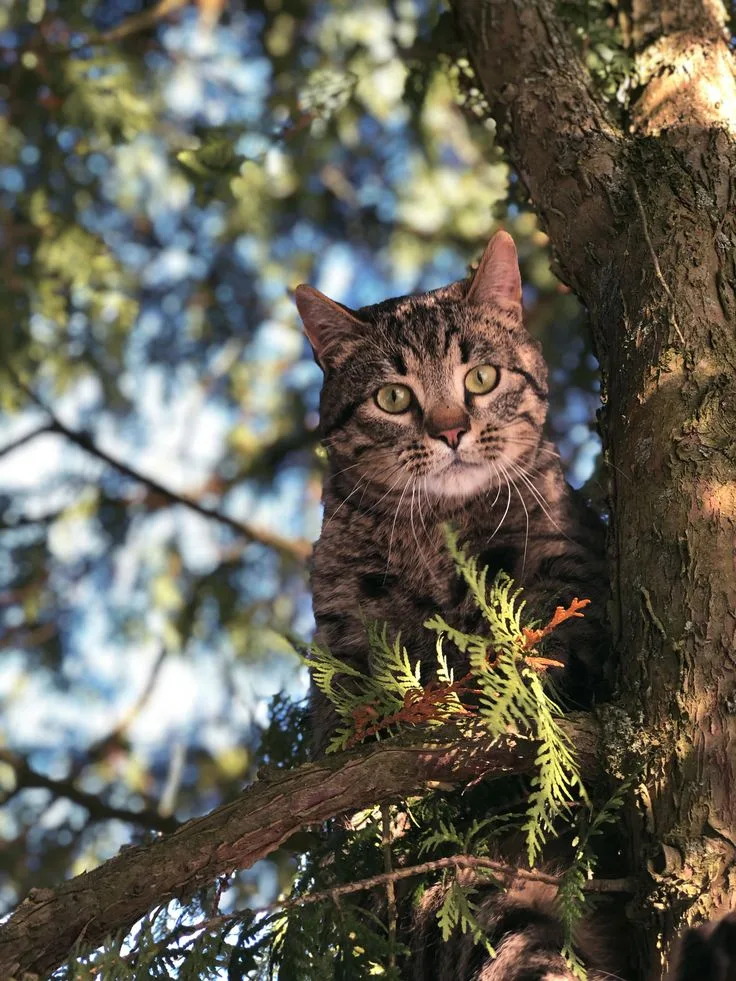
Ocicat

Ocicat

Cat · 12–18 years

Toyger Cat

Toyger Cat

Cat · 12–15 years

Savannah Cat

Savannah Cat

Cat · 12–20 years

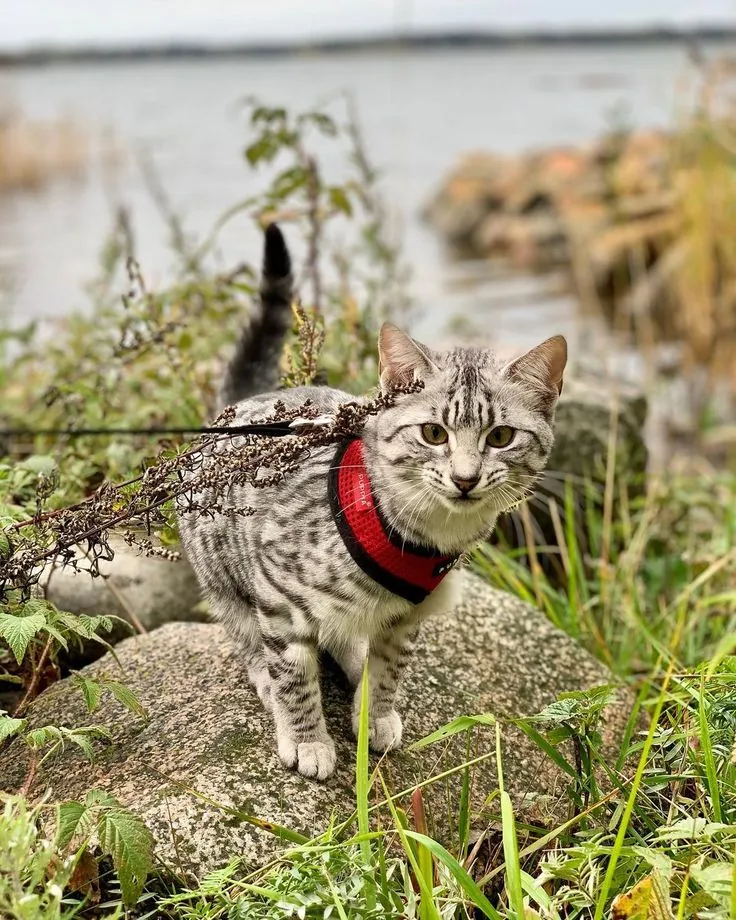
Egyptian Mau

Egyptian Mau

Cat · 12–15 years

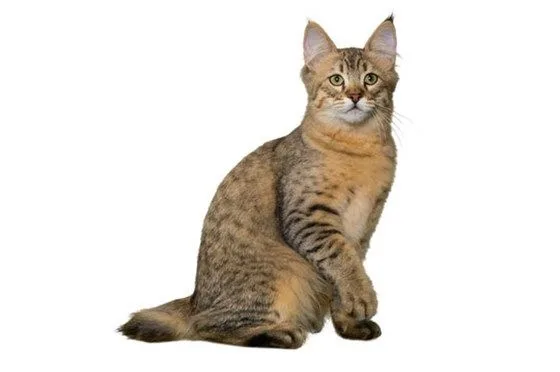
Pixiebob

Pixiebob

Cat · 13–16 years

British Shorthair

British Shorthair

Cat · 12–20 years

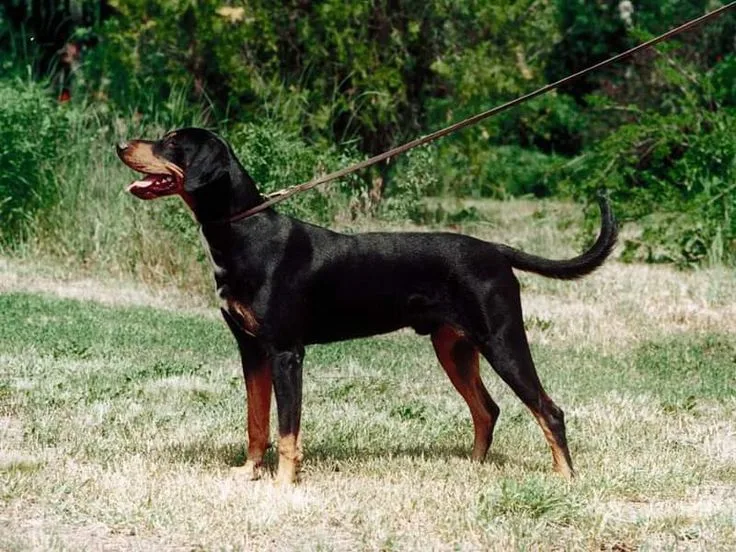
Transylvanian Hound

Transylvanian Hound

Dog · 10–14 years with proper care.

Thai Ridgeback

Thai Ridgeback

Dog · 12–15 years with proper care.

Segugio Italiano

Segugio Italiano

Dog · 11–13 years