

Canis lupus familiaris · Germany
The Kromfohrländer is a rare and loyal breed known for its friendly personality and adaptability.
Weight
20–35 lbs
Height
15–18 in
Life Span
13–15 years
Temperament
Gentle, Adaptable, People-oriented
Energy Level
Moderate
Trainability
Good
Shedding Level
Low
Good With Children
Very Good
Good With Other Pets
Good
Exercise Needs
45 min daily
German Hunter
The Kromfohrlander was developed in Germany after World War Two.
Friendly Companion
This breed is gentle and bonds closely with its family.
Newer Breed
Kromfohrlanders are a relatively young breed compared to others.
Kromfohrlanders typically live 13 to 15 years, an excellent lifespan. Patellar luxation and certain eye conditions occur occasionally given their small-to-medium size. Being a relatively rare breed helps keep the gene pool fairly diverse. Otherwise, this is a hardy, long-living companion breed.
Whether rough or smooth coated, this breed needs brushing once or twice a week to manage shedding. Hand-stripping the rough coat occasionally helps maintain texture. Bathe only when needed. Nail trims and ear checks round out a simple routine.
Kromfohrlanders have moderate energy and need about 45 minutes of activity daily. Walks and active play suit their alert, friendly nature well. They genuinely enjoy learning tricks and interactive games with their family. Mental stimulation matters just as much as physical movement for this clever breed.
Intelligent and eager to please, Kromfohrlanders generally train well with patient, positive methods. Early socialization rounds out their naturally friendly, alert temperament. They thrive on close companionship with their family. This breed genuinely enjoys learning and excels in obedience activities.
A small-to-medium breed formula with quality protein suits their active lifestyle well. Two measured meals daily work well for this breed. Watch portions during less active periods to avoid weight gain. Fresh water should always be available.
A relatively young breed, the Kromfohrlander emerged in Germany after World War II, said to descend from a stray terrier-type dog that followed Allied soldiers home. German breeders developed the line deliberately into a calm, friendly companion breed. The breed remains relatively rare outside Germany today. It's cherished for its gentle, affectionate temperament and devotion to family.


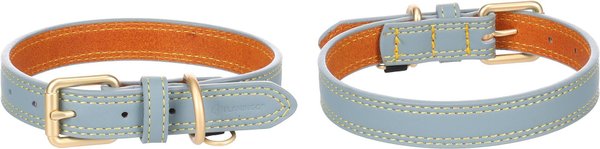
FLAMINGO DOG COLLAR VIRGINIA LIGHT BLUE S/M
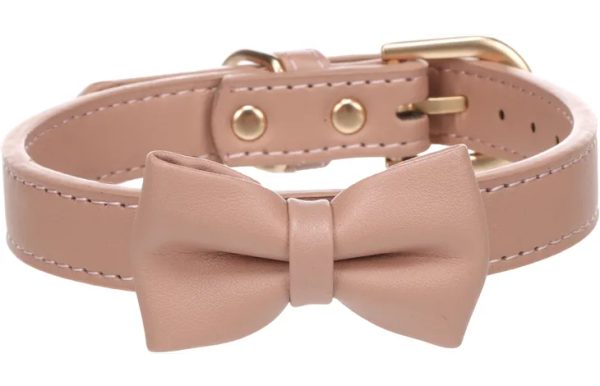
FLAMINGO DOG COLLAR WITH BOW TIE NELA PINK S/M
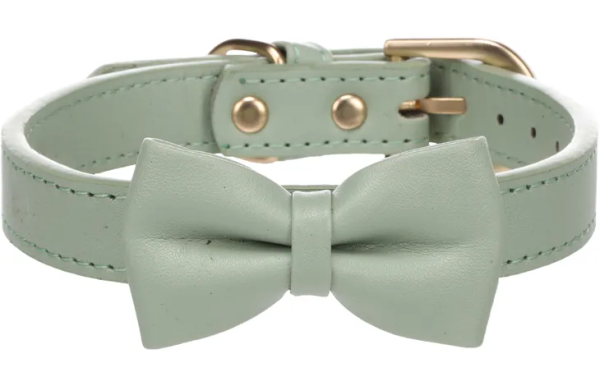
FLAMINGO DOG COLLAR WITH BOW TIE NELA MINT GREEN S/M
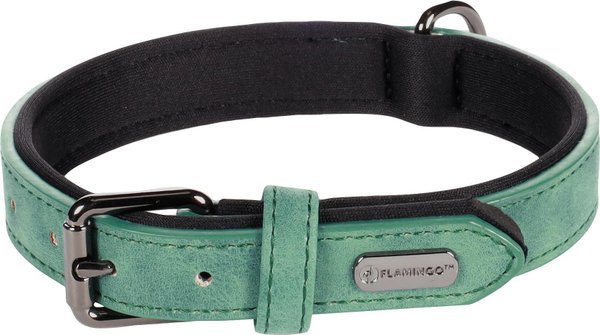
FLAMINGO COLLAR DELU GREEN S/M
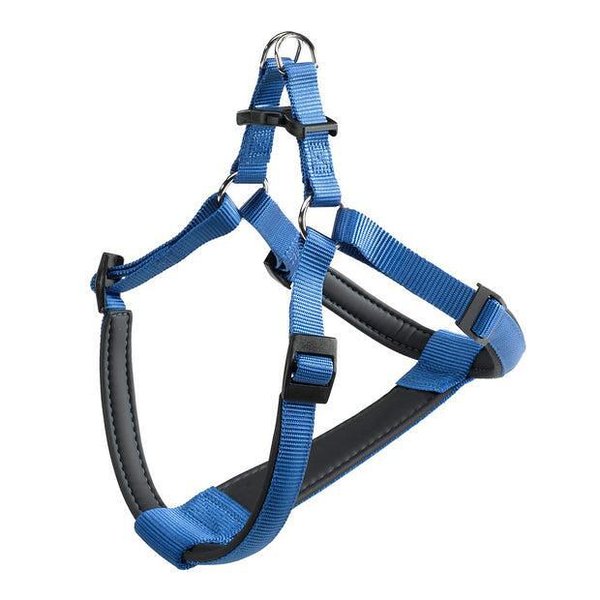
DAYTONA P SM HARNESS BLUE

DAYTONA P SM HARNESS RED
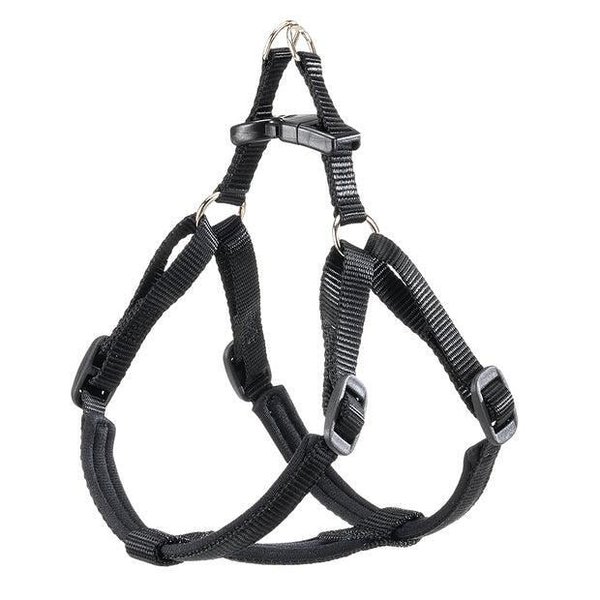
DAYTONA P SM HARNESS BLACK

DOG PLASTIC MUZZLE S/M
Double Trouble Two Dogs Having Fun
German Shepherd Exploring the Grass
Poodle Moments A Day Full of Love & Play
Playtime Joy Man & His Poodle Having Fun
Cardigan Welsh Corgi
Dog Playing with Toy on Floor
Happy Dog Playing
Pure Love German Shepherd’s Sweet Moment

May 16, 2026
German Shepherd vs Bull Terrier: Benefits of Owning Each Dog Breed
Compare the German Shepherd and Bull Terrier to discover the benefits, temperament, training needs, grooming, health, and lifestyle suitability of each breed.

Aug 8, 2025
14 Most common dog behavior problems and how to fix them through training
Struggling with dog behavior issues? Learn how to fix 14 common problems like barking and biting with easy, proven training techniques.

Basset Fauve de Bretagne
Dog · 12-14 years

Petit Basset Griffon Vendéen
Dog · 12-14 years

Understanding the Affenpinscher Dog Breed: Characteristics, Care & Photos
Dog · 12–15 years

Wirehaired Pointing Griffon
Dog · 12–14 years

Welsh Terrier
Dog · 12–15 years

Small Munsterlander
Dog · 12–14 years
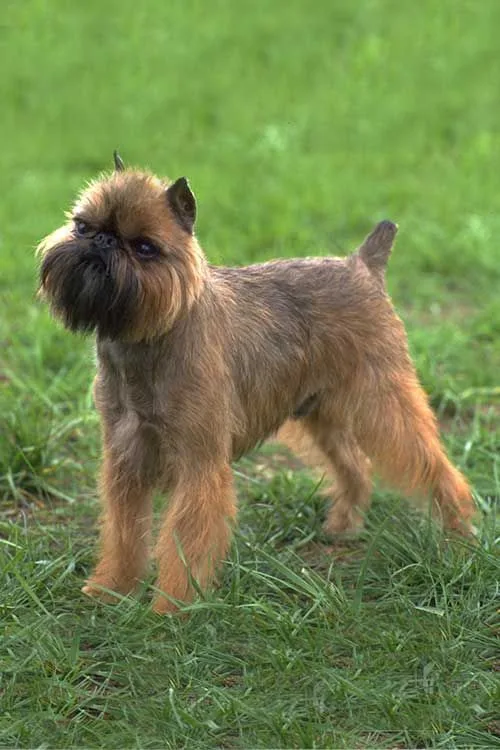
Brussels Griffon
Dog · 12–15 years

Border Terrier
Dog · Border Terriers have a long life expectancy, gener

Pudelpointer
Dog · 12-14 years