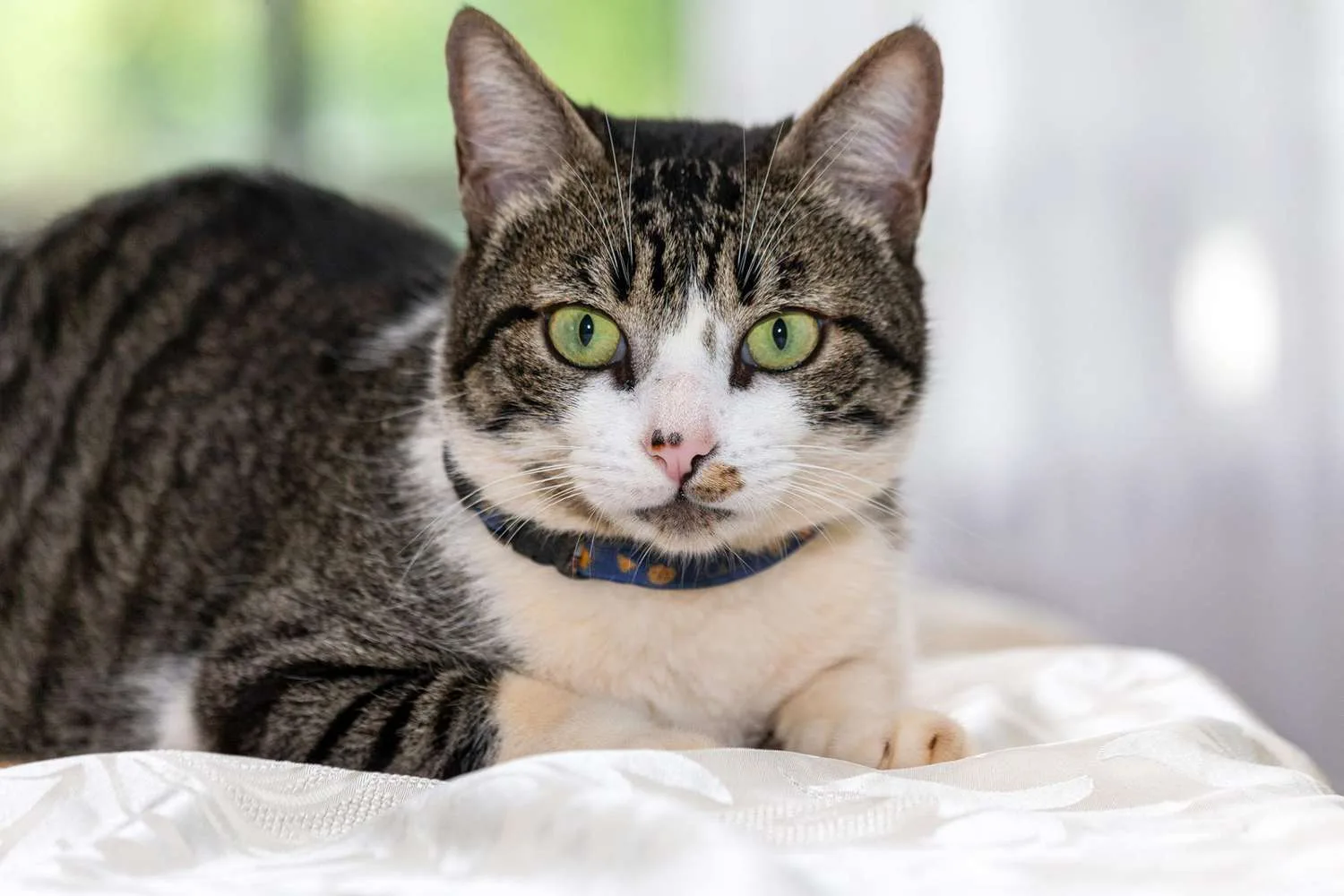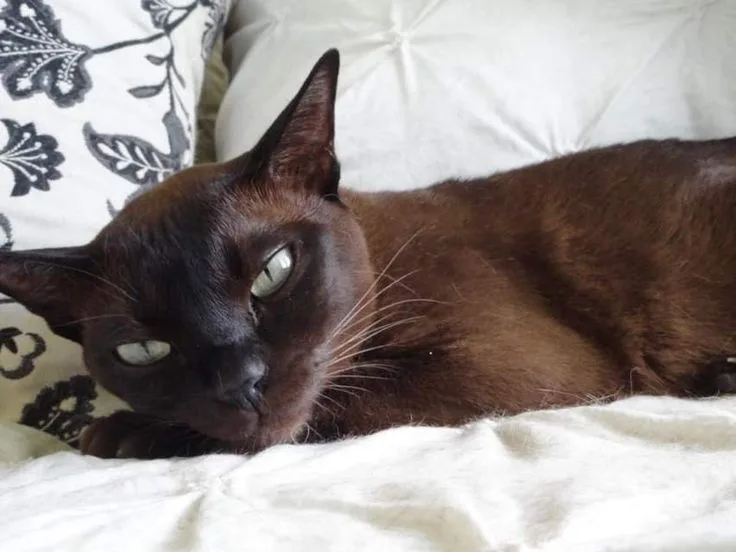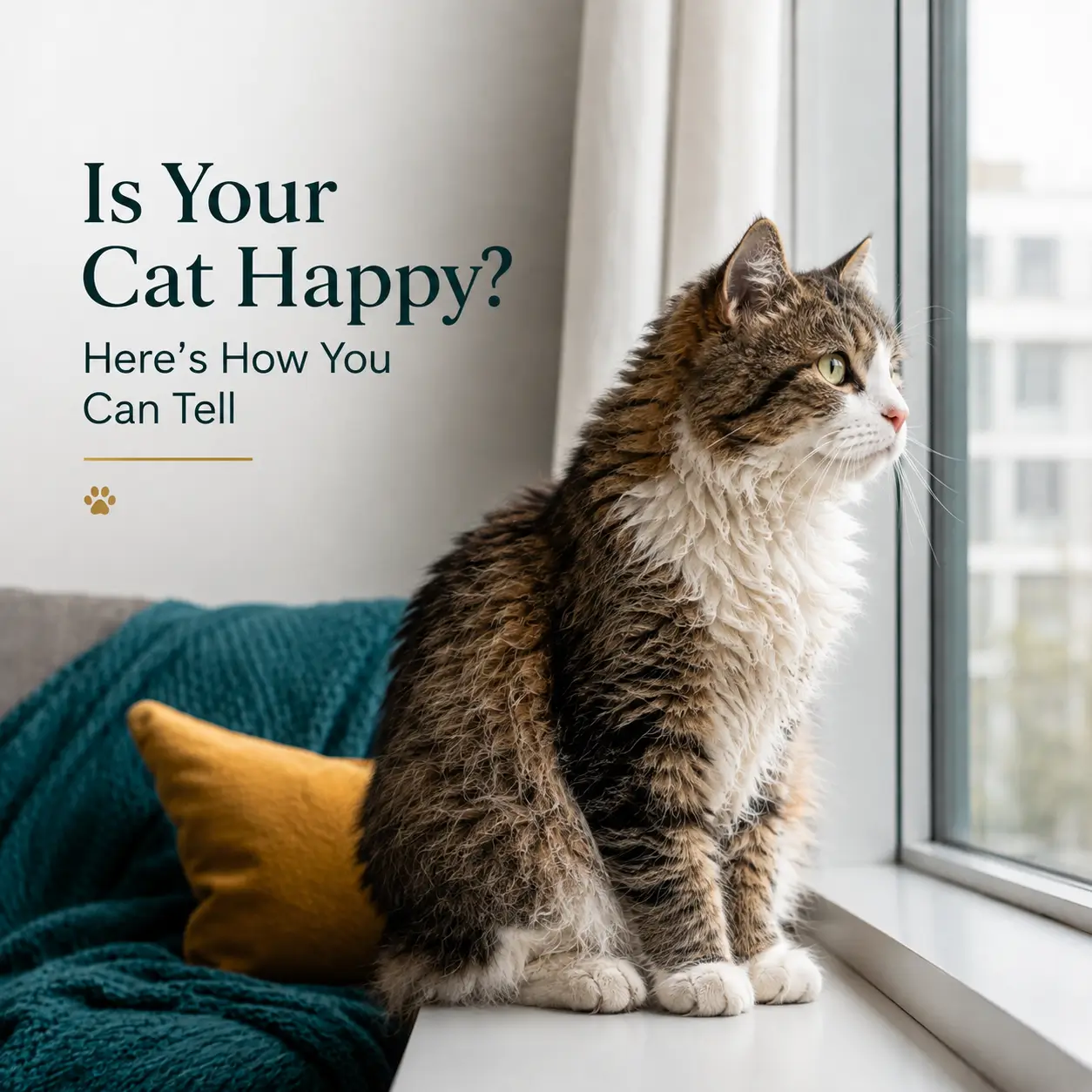
A happy cat usually shows it with relaxed body language, a steady routine of eating, grooming and sleeping, regular play, and choosing to be near you. No single signal proves a cat is content, but when you see several of these signs together most days, you can be confident your cat feels safe and satisfied at home.
Clear signs your cat is happy day to day
Relaxed body language when resting
Content cats look loose and comfortable, not tense or coiled like a spring.
- Soft body and paws: Muscles look floppy, paws are relaxed rather than tucked in tightly or ready to pounce.
- Gentle facial expression: Eyes may be half-closed or slow-blinking, whiskers forward or neutral, ears facing slightly forward rather than flattened back.
- Comfortable sleeping poses: Curled in a ball, sprawled on their side, or even flat on their back with the belly showing are all signs of trust.
One stressed moment does not mean your cat is unhappy overall. Focus on how they look most of the time at home, not just during loud events or visitors.
A tail that speaks “I feel good”
The tail is one of the clearest emotional signals in cats.
- Tail held upright with a relaxed tip often means a confident, friendly mood.
- Gentle tail quiver when your cat walks toward you usually signals excitement and affection.
- Slow, relaxed swishing while lounging can be neutral or curious, especially if the rest of the body looks calm.
A tail puffed up like a bottle brush, lashing quickly, or held low and stiff is more likely to show fear, pain or irritation than happiness.
Healthy appetite and steady grooming
Happy cats usually keep to a predictable rhythm: eat, groom, nap, play, repeat.
- Eating well: Your cat eats most meals without fuss and maintains a stable weight.
- Regular grooming: The coat looks clean, smooth and free of large tangles. Your cat spends time washing after meals and naps.
- Normal litter box habits: Using the box consistently and covering waste are good signs of comfort and security.
Sudden changes in appetite, grooming or bathroom habits are more often health or stress red flags than personality quirks. Contact your vet if something shifts and does not quickly go back to normal.
Choosing to be near you
Not all cats are lap loungers, but most happy cats show some interest in their humans.
- Following you around the home, even at a distance, suggests your cat feels bonded to you.
- Sitting or lying near you on the sofa, bed or desk – even if they do not want to be held – is a positive sign.
- Greeting you at the door, rubbing against your legs, or brushing along furniture near you shows attachment and scent-marking you as “safe”.
A happy but independent cat might show these behaviors briefly then wander off. The key is that contact is their choice, not something you force.
Positive behaviors that show your cat enjoys life
Playfulness and curiosity
Play is one of the strongest indicators that a cat feels well, both physically and emotionally.
- Chasing toys, pouncing on wand teasers or batting balls down the hallway shows mental and physical engagement.
- Exploring new things – sniffing shopping bags, investigating boxes, watching birds from the window – points to a confident, stimulated cat.
- Short “zoomies” or mad dashes around the house can be a healthy outlet for energy, especially in young cats.
Older cats will naturally slow down, but even seniors benefit from gentle play and will often show interest if toys are matched to their ability.
Friendly vocalizations
Every cat has a different voice, but certain sounds often link with positive emotions.
- Soft meows and chirps when they see you can be a greeting or request for attention.
- Purring in relaxed situations – while being petted, snuggled in a favorite spot, or kneading a blanket – usually indicates contentment.
- Quiet trills when moving around you or other pets can be social communication.
Remember that cats may also purr when they are unwell or in pain. Always look at the whole picture: body language, appetite and behavior, not sound alone.
Gentle kneading and rubbing
Many cats perform “making biscuits” – kneading with their paws – on blankets, beds or even their people.
- Kneading with a relaxed body and half-closed eyes is a common sign of deep comfort and security.
- Rubbing their face and body on you, furniture and doorways spreads their scent and marks the area as safe territory.
- Rolling onto their side near you can invite interaction or play, although a belly-up pose is not always an invitation to touch the belly.
If your cat suddenly stops doing these familiar, comfort-seeking behaviors, it can be a clue that something has changed in their environment or health.
What a happy home feels like for your cat
Safety, predictability and choice
Even the most confident cat needs to feel safe and in control.
- Safe hiding spots: Boxes, cat caves and high perches allow your cat to observe without feeling exposed.
- Predictable routines: Feeding, playtime and quiet time around similar times each day help reduce stress.
- Control over contact: Letting your cat choose when to be petted or picked up can make them more affectionate, not less.
When a home feels calm and predictable, cats are more likely to show the relaxed, social behaviors that signal happiness.
Environmental enrichment that keeps boredom away
Happy cats have things to do besides sleep and eat.
- Vertical spaces like cat trees, shelves and window perches allow climbing and safe observation.
- Scratching options – both vertical and horizontal – help your cat stretch, mark territory and release tension.
- Interactive toys (wand toys, puzzle feeders, treat balls) encourage natural hunting and foraging behaviors.
If you share your home with a dog as well, giving each pet their own safe area and respecting each species’ needs can help everyone relax. For general care ideas that cross species, you might like our article Essential Dog Care Tips for a Happy and Healthy Pup – many of the principles, like routine and enrichment, apply to cats too.
When to worry your cat might be unhappy or unwell
Behavior and body language that signal stress
Watch for sudden or ongoing changes that do not match your cat’s usual personality.
- Hiding much more than usual, especially if new people or pets are not around.
- Increased aggression – hissing, swatting, biting – during normal interactions.
- Restlessness or pacing, inability to settle, or constant startle responses.
- Over-grooming or under-grooming, leading to bald spots or a dull, greasy coat.
These can be signs of emotional stress, physical discomfort, or both. It is important not to punish a cat for stress behaviors; instead, look for the cause and get help if needed.
Changes that call for a vet visit
Because cats hide pain so well, any big change in routine is worth taking seriously.
- Appetite changes: Eating much less or much more, or suddenly becoming very picky.
- Litter box changes: Straining, going outside the box, blood in urine or stools, or repeated trips without producing much.
- Mobility changes: Reluctance to jump, limping, stiffness, or avoiding stairs and furniture they used to enjoy.
- Vocal changes: New, frequent crying, especially at night, can be linked with pain, confusion or anxiety.
Always speak to your vet if you see these signs, especially if they appear suddenly or build up over a few days. Only a vet can rule out or diagnose medical issues and guide treatment.
How you can help your cat feel happier
Build a routine that suits your cat
Happiness for cats often comes from consistency rather than constant excitement.
- Feed at regular times and avoid frequent diet changes unless your vet advises it.
- Schedule daily play sessions – even 5–10 minutes twice a day with a wand toy can make a big difference.
- Keep noise and chaos low, especially in areas where your cat sleeps or eats.
If you share your home with children, teach them how to gently approach and handle the cat, and to respect signs the cat wants space.
Strengthen your bond in your cat’s language
Meeting your cat on their terms is one of the kindest things you can do.
- Offer slow blinks and speak softly when you approach, especially if your cat is shy.
- Let them initiate touch: Hold out a finger and allow them to come to you and rub if they want contact.
- Reward curiosity with praise, gentle petting or a small treat when they approach new items or people calmly.
Over time, these small, respectful interactions build trust – and trusted cats are far more likely to show the relaxed, affectionate behaviors we associate with happiness.
Questions and answers about happy cats
Can an indoor-only cat be truly happy?
Yes, indoor-only cats can live very happy, fulfilled lives if their environment is enriched. Provide climbing spaces, scratching posts, toys, window views and daily playtime, and keep vet care up to date so your cat feels safe and stimulated.
Is my cat unhappy if they do not like being picked up?
Many healthy, content cats simply dislike being restrained or lifted. As long as your cat chooses other forms of contact – sitting near you, rubbing against you, sleeping on your bed – avoiding being picked up is usually a personality preference, not a sign of unhappiness.
How can I tell if my cat’s purring means pain instead of happiness?
Purring in a relaxed, loose-bodied cat who is eating, grooming and playing normally is likely a sign of contentment. If your cat is purring but also hiding, not eating, acting withdrawn or moving stiffly, contact your vet – cats sometimes purr to self-soothe when they feel unwell.
Do cats get depressed when left alone during the day?
Some cats cope well with alone time, while others become lonely or bored. Signs of trouble can include destructive behavior, over-grooming, changes in appetite or clinginess when you return; more play, environmental enrichment and, in some cases, a companion pet can help, but speak with your vet if you’re concerned.
What is the quickest way to boost my cat’s happiness right now?
In the short term, a focused play session with a favorite toy followed by a small treat and quiet cuddle in a safe spot can quickly improve your cat’s mood. In the long term, building predictable routines, providing safe spaces and giving your cat choices about interaction are the most powerful ways to keep them happy.