
Canis lupus familiaris · United States
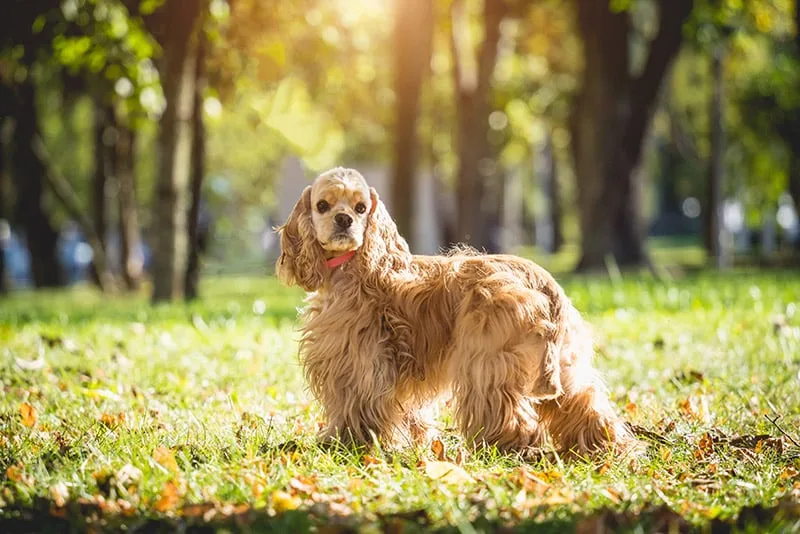
The American Cocker Spaniel is a beloved breed known for its playful personality, affectionate nature, and stunning appearance. As the smallest member of the sporting dog group, this breed has a rich history as a hunting companion and family pet. Their gentle demeanor and adaptability make them a favorite choice for families and individuals alike.
Weight
25–30 lbs
Height
14.5–15.5 in (M), 13.5–14.5 in (F)
Life Span
10–14 years
Temperament
Gentle, Smart, Happy
Energy Level
Moderate
Trainability
Excellent
Shedding Level
Moderate
Good With Children
Excellent
Good With Other Pets
Very Good
Exercise Needs
1 hour daily
Cheerful Spirit
American Cocker Spaniels are known for their happy, friendly nature.
Long Ears
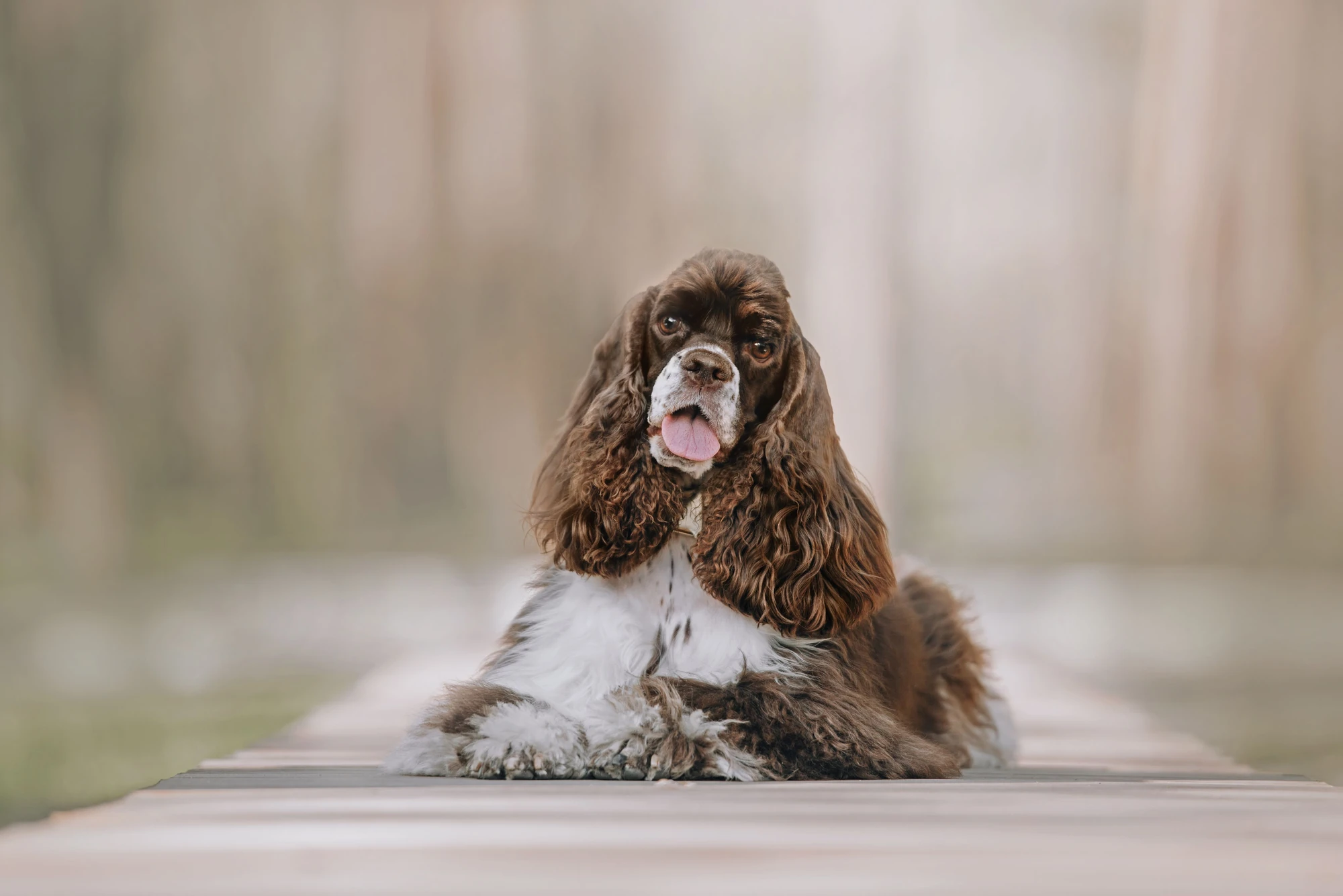
Their long, floppy ears need regular cleaning to stay healthy.
Show Dog Star
This breed has won Best in Show at top dog competitions.
One of the reasons people fall in love with the American Cocker Spaniel is that sweet, gentle nature — and one of the things experienced owners will tell you is to stay on top of those ears.
Cocker Spaniels are more prone to ear infections than almost any other breed. Those long, drooping, heavily feathered ears create a warm, dark environment where bacteria love to grow. Checking and cleaning the ears weekly is simply part of owning this breed. Catch a problem early and it's usually simple to treat. Let it go and it becomes chronic.
Eye problems are also more common in this breed than many others — cataracts, glaucoma, and dry eye all appear with some frequency. Annual eye exams are worthwhile. Hip problems and thyroid issues are seen occasionally, and skin allergies can flare up in some individuals. Overall, though, Cockers that get regular care live happy, healthy lives of 10 to 14 years.
Here's the honest truth: the American Cocker Spaniel is one of the most grooming-intensive breeds in existence. That gorgeous, silky coat — the feathering on the ears, chest, legs, and belly — mats quickly and needs brushing every single day to stay tangle-free.
Using a metal comb first to work through the coat, followed by a slicker brush, is the most effective approach. Always start at the ends and work your way up, not the other way around. Professional grooming every six to eight weeks is essentially non-negotiable unless you're prepared to do full clips yourself.
The ears need attention at every grooming session — check for redness, odor, or dark debris. Trim the hair around the eyes to prevent irritation. Bathe every two to four weeks. It's a lot — but owners who embrace the routine say it becomes one of the most enjoyable parts of having a Cocker.
Cocker Spaniels are sporting dogs at heart, and they have more energy and drive than their elegant appearance sometimes suggests. Around 45 to 60 minutes of exercise a day keeps them fit, happy, and well-behaved indoors.
They love fetch, they love swimming (Spaniels and water are a natural combination), and they enjoy exploring new smells on longer walks. Many Cockers do wonderfully in field trials and hunt tests if you want to tap into their working heritage.
What they really love most, though, is being with their person. Exercise is always better when it involves you.
If you've wanted a breed that's genuinely a pleasure to train, the American Cocker Spaniel delivers. They're intelligent, eager to please, and emotionally tuned in to their owner — which makes them very responsive to praise and encouragement.
The one thing to know is that they're sensitive. Harsh corrections can shake their confidence quickly — sometimes leading to submissive behaviors like rolling over or urinating when greeted. A gentle, calm, positive approach works far better and builds a much stronger bond.
Start socialization early. Cocker Spaniels that meet plenty of people, children, and other animals in puppyhood grow into confident, sociable adults. They can develop separation anxiety if left alone too much, so teaching them to be comfortable independently is also worth building into training from the beginning.
American Cocker Spaniels are small-to-medium dogs with a tendency to gain weight if their diet isn't managed carefully. Feed two measured meals a day of a quality small-to-medium breed food, and be conservative with treats — they add up faster than you'd think.
Coat quality often reflects diet quality. Foods rich in omega-3 fatty acids genuinely help keep that silky coat at its best.
Dogs with recurring ear infections or skin problems sometimes benefit from a limited-ingredient or hypoallergenic diet if a food sensitivity is suspected. Your vet can help identify whether diet is a factor.
The American Cocker Spaniel's story begins in Europe, where Spaniels were bred and used for hunting as far back as the 14th century. "Cocker" comes from the breed's particular talent for flushing woodcock — a type of game bird — from dense cover. These were working dogs, bred for a nose, a soft mouth, and the stamina to spend all day in the field.
Cocker Spaniels arrived in the United States with early settlers, and American breeders gradually developed their own distinct type — slightly smaller, rounder-headed, and with a more abundant coat than their English counterparts. The AKC recognized the Cocker Spaniel in 1878, making it one of the earliest registered breeds in American history.
From 1936 to 1952, the American Cocker Spaniel was the most popular dog breed in the entire United States — a run of popularity that speaks to how perfectly the breed fit into American family life. In 1955, Disney immortalized the breed when Lady — the gentle, sweet-natured Cocker Spaniel in "Lady and the Tramp" — charmed audiences worldwide. That film introduced the breed to a whole new generation of dog lovers.
As the breed's show career grew, the American type diverged so significantly from the English Cocker that the AKC formally recognized them as separate breeds in 1946. Today the American Cocker Spaniel remains one of the most beloved family dogs in the country. At wowpetspalace.com, we think the combination of beauty, trainability, and genuine affection makes them hard to beat.
Rough Collie Dog Standing on a Log Before a Graceful Jump
Dog Jumping Off a Log | Amazing Agility!
Cardigan Welsh Corgi
Dog Playing with Toy on Floor
Happy Dog Playing
Ball Time Fun Poodle in Action
Poodle Moments A Day Full of Love & Play
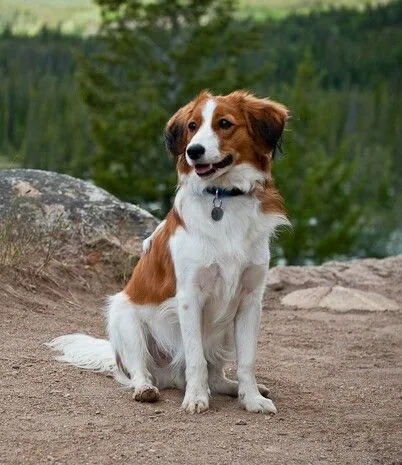
Nederlandse Kooikerhondje
Dog · 12–15 years
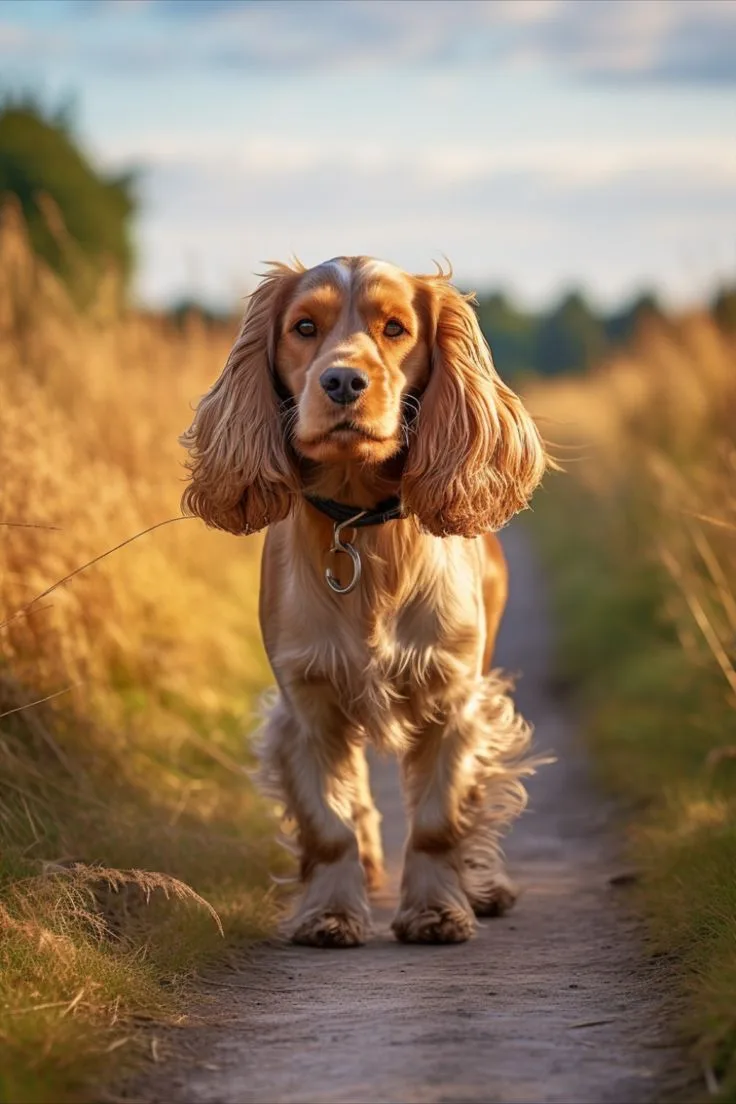
English Cocker Spaniel
Dog · 12–14 years

Cocker Spaniel
Dog · 10–14 years

Turkish Angora
Cat · 12–18 years

Tibetan Terrier
Dog · 12–15 years with proper care.

Bernese Mountain Dog
Dog · 7 to 10 years
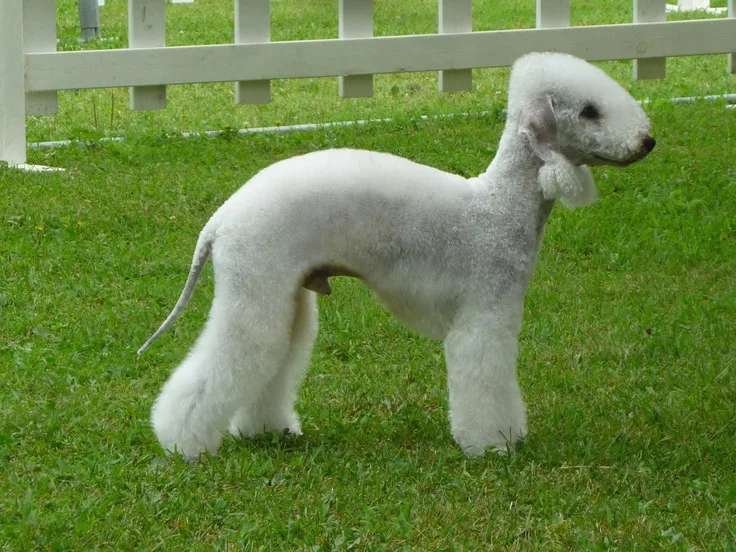
Bedlington Terrier
Dog · 12 to 16 years

Old English Sheepdog
Dog · 10-12 years

French Spaniel
Dog · 10–14 years
