
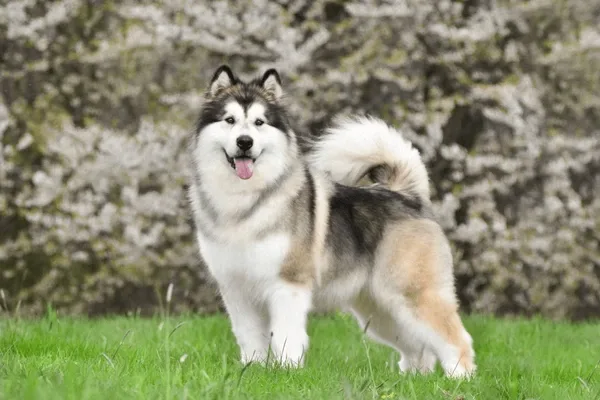
Canis lupus familiaris · United States (Alaska)
The Alaskan Malamute is a large, strong, and energetic breed, known for its remarkable endurance and strength. Originally bred for hauling heavy sleds in Arctic conditions, the Malamute is a devoted and affectionate companion. With its wolf-like appearance, striking markings, and friendly demeanor, this breed has captivated dog lovers around the world.
Weight
85 lbs (M), 75 lbs (F)
Height
25 in (M), 23 in (F)
Life Span
10–14 years
Temperament
Affectionate, Loyal, Playful
Energy Level
High
Trainability
Moderate
Shedding Level
Heavy
Good With Children
Very Good
Good With Other Pets
Moderate
Exercise Needs
2 hours daily
Built to Pull
Alaskan Malamutes are strong dogs bred to pull heavy sleds.
Arctic Roots
This breed comes from the cold Arctic regions of Alaska.
Pack Lovers
Malamutes are friendly dogs that love being part of a group.
Alaskan Malamutes are built tough — thousands of years of surviving Arctic conditions will do that to a breed. Most live 10 to 14 years, and they tend to stay active and capable well into old age.
Hip and elbow problems are relatively common given their size, and joint health is something to manage proactively from puppyhood — appropriate exercise, a quality diet, and staying lean all matter. A breed-specific condition called chondrodysplasia — a genetic dwarfism that causes abnormal limb development in puppies — exists in the breed, and responsible breeders test for it before breeding.
Bloat is a serious risk with a deep-chested breed this size. Two smaller meals a day and avoiding vigorous activity right after eating are simple habits that reduce that risk significantly. Hypothyroidism, progressive eye disease, and a neuromuscular condition called polyneuropathy are also seen in the breed. Regular checkups go a long way.
Two times a year, the Alaskan Malamute sheds its entire undercoat. During those blow-out periods — usually spring and fall — the amount of fur is genuinely astonishing. Daily brushing with an undercoat rake is the only way to stay ahead of it. The rest of the year, brushing three to four times a week keeps the coat healthy and your home manageable.
The good news is that Malamutes are surprisingly clean dogs. Their water-repellent outer coat sheds dirt well, and baths are only needed every six to eight weeks. Never shave a Malamute — that double coat insulates them from both cold and heat, and removing it disrupts how it grows back.
Keep up with nails and teeth too — large dogs often develop dental issues, and their nails grow quickly.
These dogs were bred to haul heavy sleds across frozen landscapes for hours. A daily walk around the neighborhood is not going to satisfy an Alaskan Malamute. They need at least two hours of vigorous exercise every day.
Running, hiking, swimming, weight pulling, and bikejoring are all excellent outlets. Without enough physical activity, Malamutes become destructive — digging, howling, and escaping become their hobbies. They are phenomenal escape artists and should always be in a fully secured yard.
Hot weather is a genuine concern. Their thick coat makes overheating a real risk, so exercise earlier in the morning or evening during warm months, and always have water available.
Malamutes are intelligent, but they were bred to make independent decisions in the field — not to take constant direction from a person. That independent thinking is part of what makes them so capable, and part of what makes them challenging to train.
They respond well to calm, confident leadership and positive reinforcement. They do not respond well to harsh corrections or impatient handling. Boredom is their enemy during training — vary the exercises, keep sessions interesting, and reward generously.
Early socialization is critical. Malamutes that meet plenty of people and animals as puppies grow into stable, friendly adults. Those that don't can become reactive or dog-aggressive. This is a breed for experienced dog owners — not because they're dangerous, but because they need someone who understands them.
A large, working-type dog like the Malamute needs a high-protein, calorie-dense diet to fuel their energy and maintain their muscle. Feed two meals a day of a quality large-breed formula, and be mindful of overfeeding — Malamutes have a gift for looking hungry regardless of how recently they've eaten.
Watch the weight closely. Obesity makes joint issues worse and reduces their lifespan noticeably. A healthy Malamute should have a defined waist when viewed from above, and you should be able to feel the ribs without digging.
Add omega-3 fatty acids to support coat health, and consider joint supplements as they age, particularly given the breed's hip and elbow concerns.
The Alaskan Malamute is one of the oldest working dog breeds in existence, and one of the few that remains largely unchanged from its ancient origins. They were developed thousands of years ago by the Mahlemut people — an Inuit tribe living in the coastal regions of northwestern Alaska — who depended on these dogs not just for transportation, but for survival.
These weren't just sled dogs. Malamutes helped the Mahlemut hunt seals, ward off polar bears, and haul heavy loads of supplies across impossible terrain in temperatures that would kill most animals. In return, the tribe treated them as valued family members — sharing their shelters, allowing the dogs to sleep with children for warmth, and caring for them with genuine respect.
Their remote location kept the breed relatively pure through the Gold Rush of the 1890s, when prospectors flooded Alaska with crossbred sled dogs. Malamutes maintained their genetic integrity better than almost any other native Arctic breed.
In the 20th century, Alaskan Malamutes accompanied polar expeditions, including Admiral Byrd's famous journeys to Antarctica. They served in both World Wars, hauling supplies and equipment in harsh mountain terrain. The AKC recognized the breed in 1935.
Today's Malamute is the same dog it has always been — powerful, loyal, and built for a world most of us will never experience firsthand. At wowpetspalace.com, we think that history makes every Malamute a little extraordinary.

Double Trouble Two Dogs Having Fun
German Shepherd Exploring the Grass
Cardigan Welsh Corgi
Dog Playing with Toy on Floor
Happy Dog Playing
Pure Love German Shepherd’s Sweet Moment
Playtime Joy Man & His Poodle Having Fun

Samoyed
Dog · 12–14 years
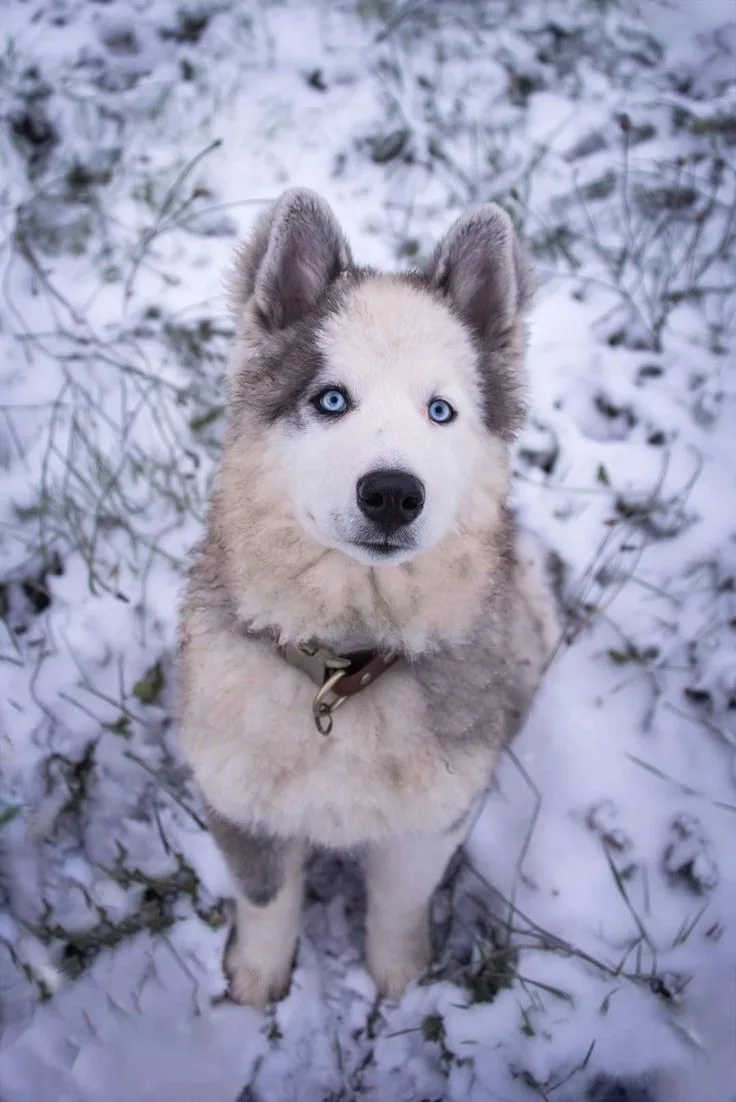
Yakutian Laika
Dog · 10–14 years

Siberian Husky
Dog · 12–14 years
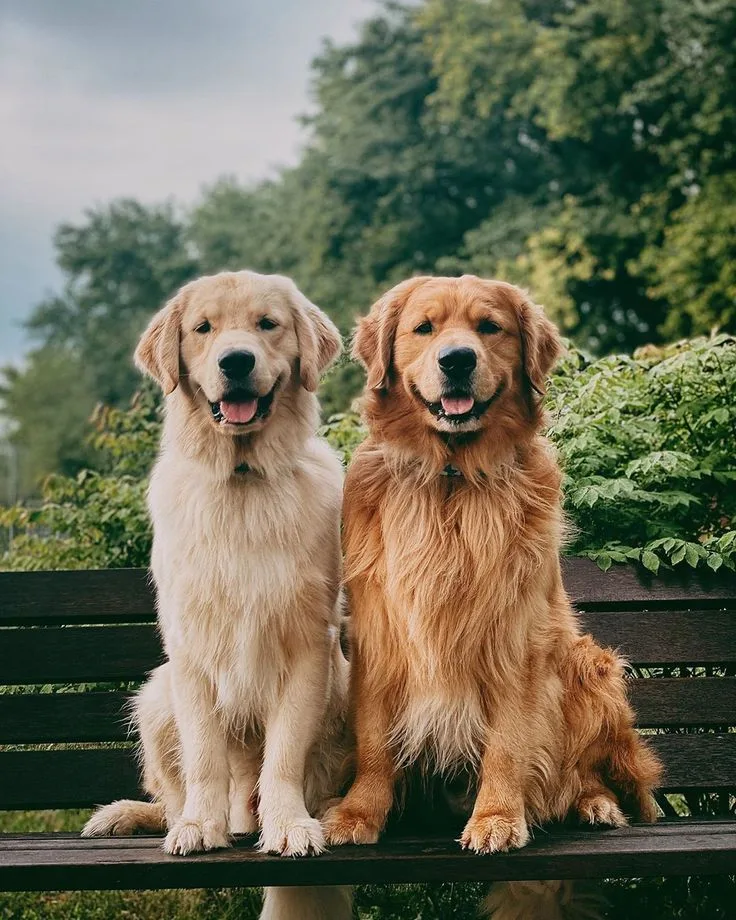
Golden Retriever
Dog · 10–12 years
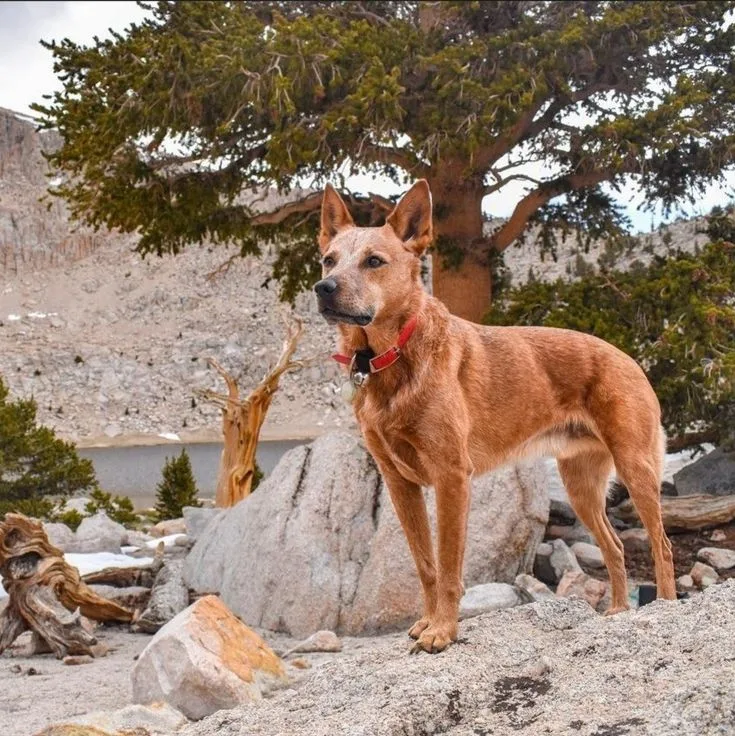
Chinook
Dog · 12–15 years

Wirehaired Pointing Griffon
Dog · 12–14 years

Treeing Walker Coonhound
Dog · 12–13 years with proper care.
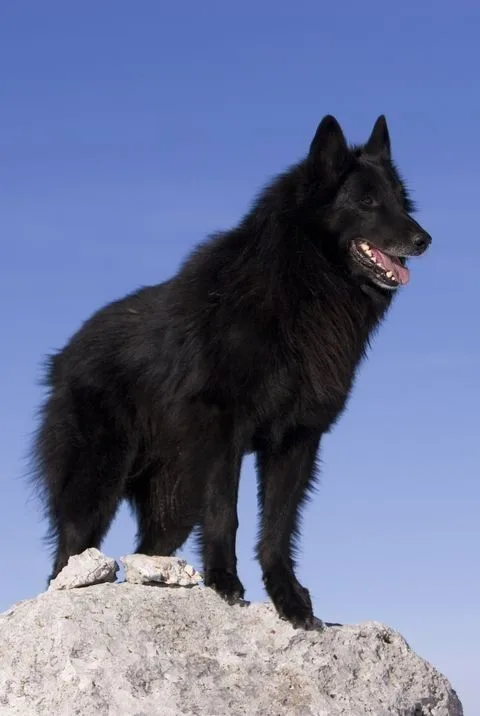
Swedish Lapphund
Dog · 12–14 years

Slovensky Cuvac
Dog · 11–13 years
